Pre-Primary
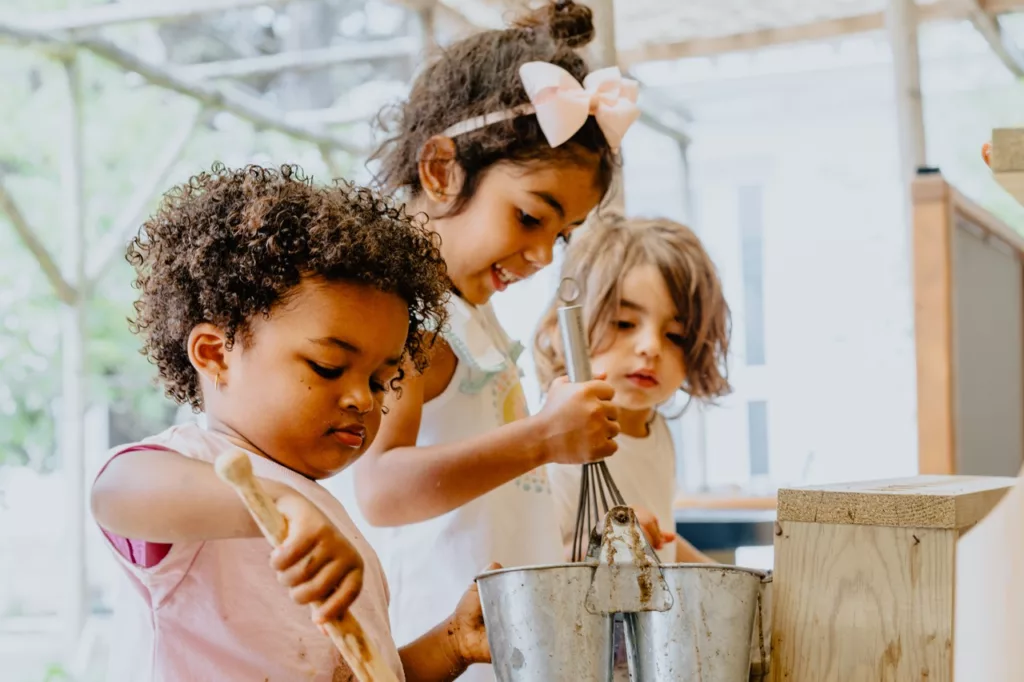
At Hypha Pre-Primary, children spend their days exploring, creating and learning together, with nature as an extension of the classroom.
Our pedagogy draws on established principles from Reggio Emilia and Montessori, complemented by weekly Nature School sessions. Children spend at least three hours outdoors each day and develop early academic, social and practical skills through purposeful play, guided exploration and longer-term projects. Educators observe each child closely, adapt learning to their stage of development and gradually build their confidence and independence.
Nature Immersion
Nature as Part of Every Day
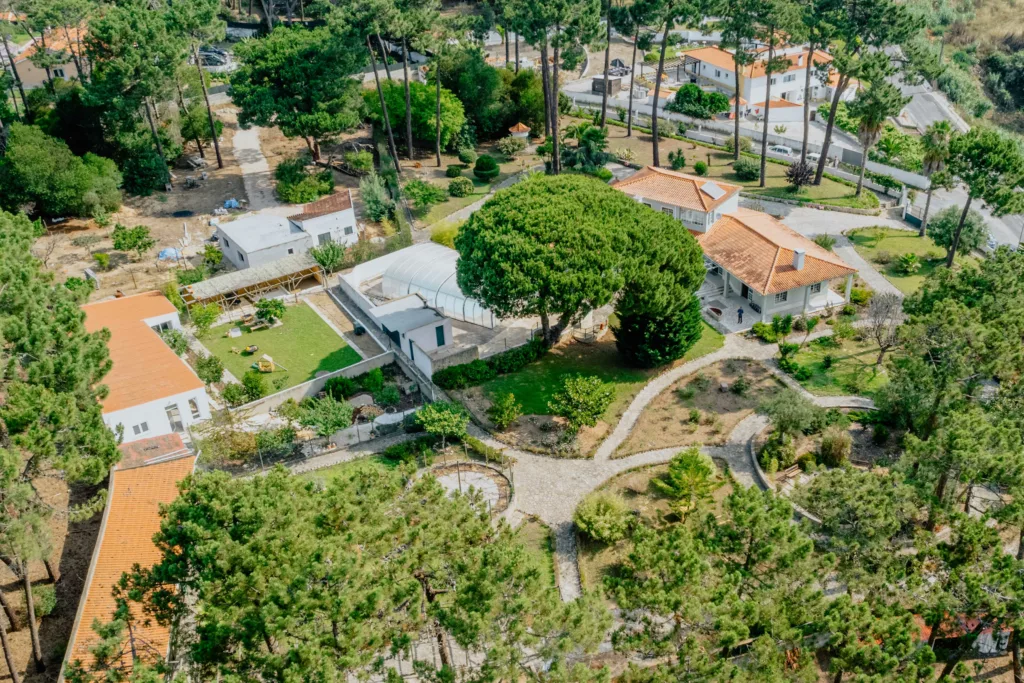
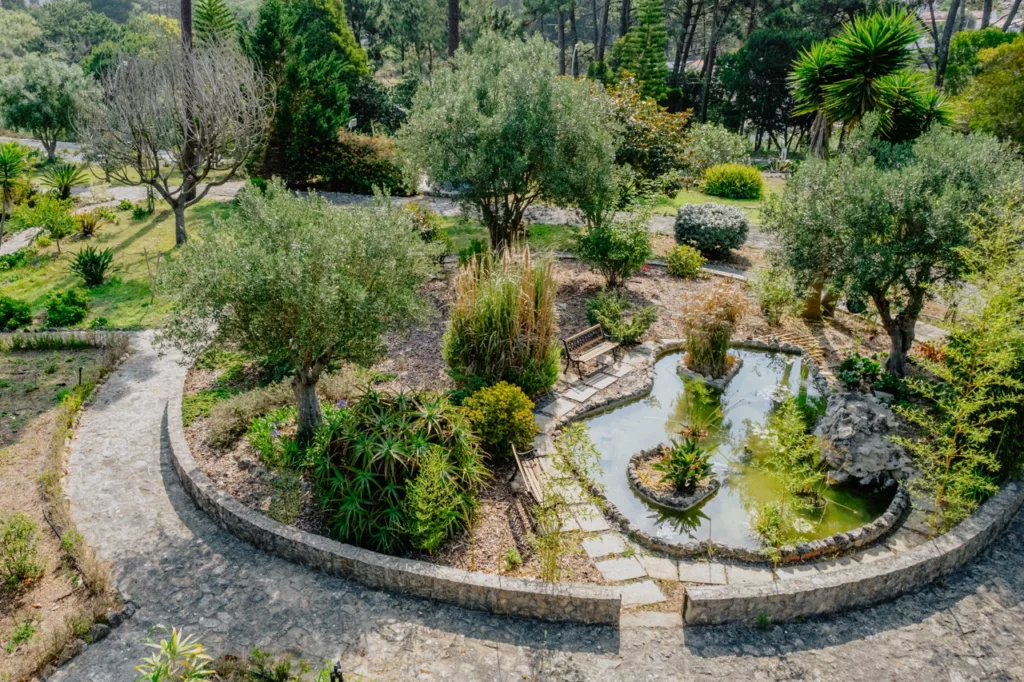
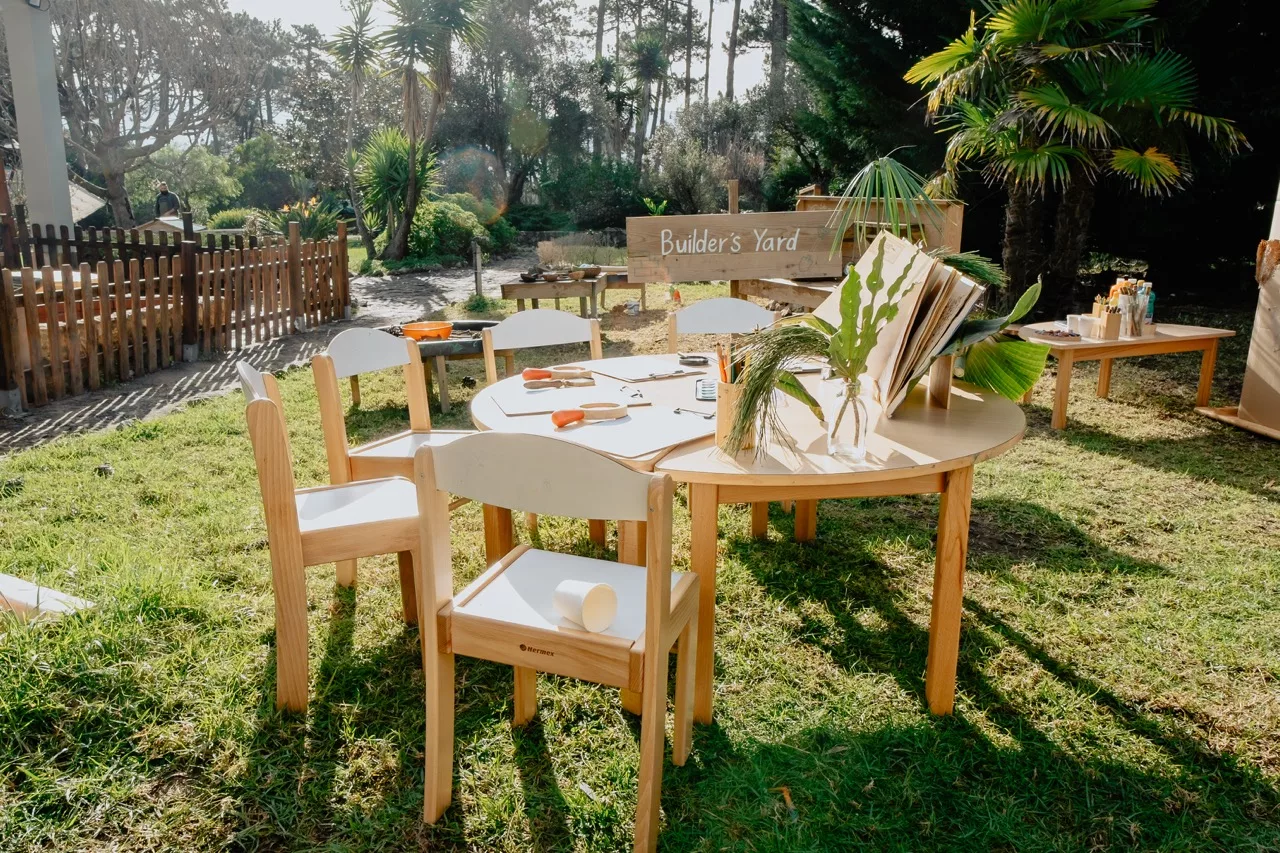
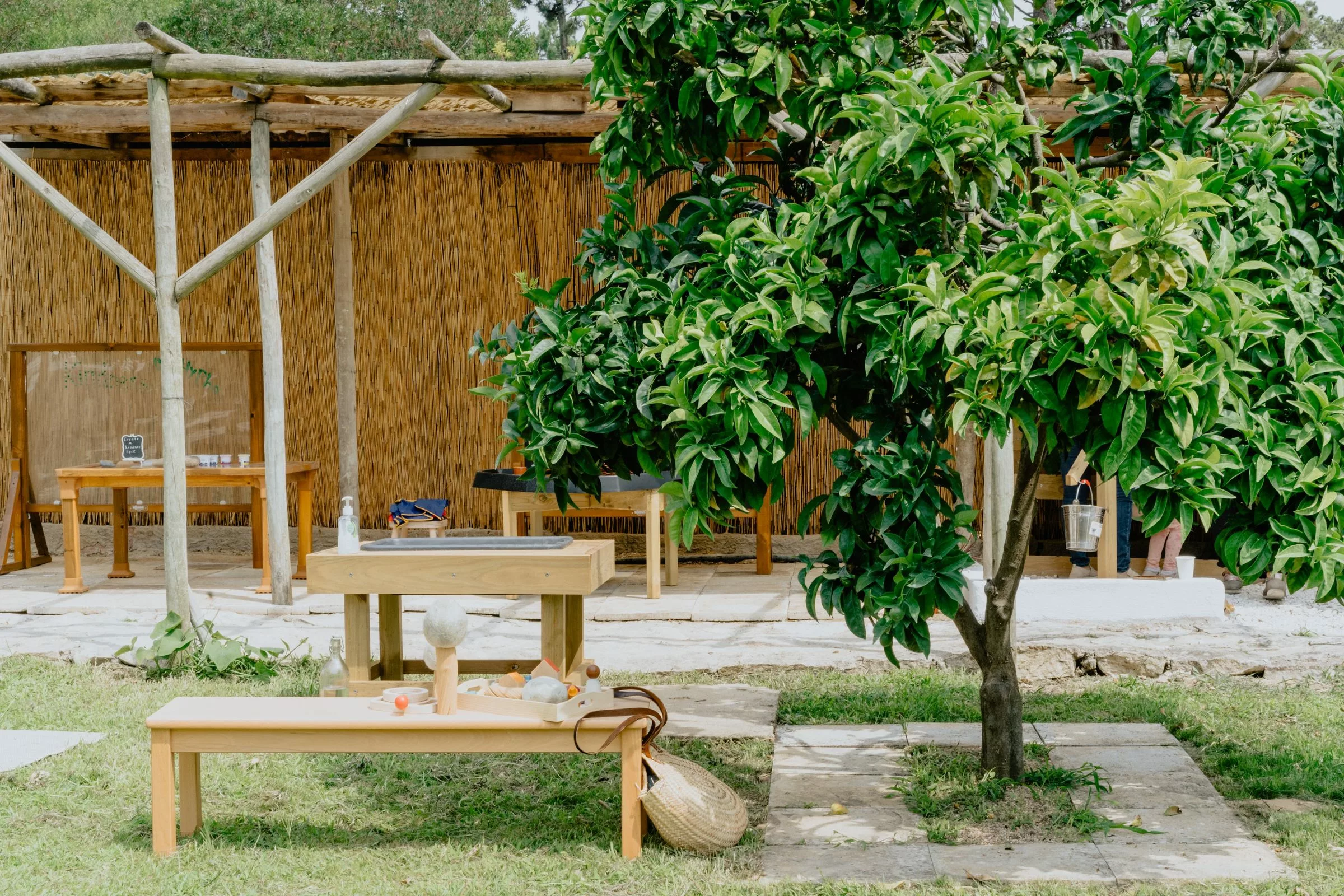
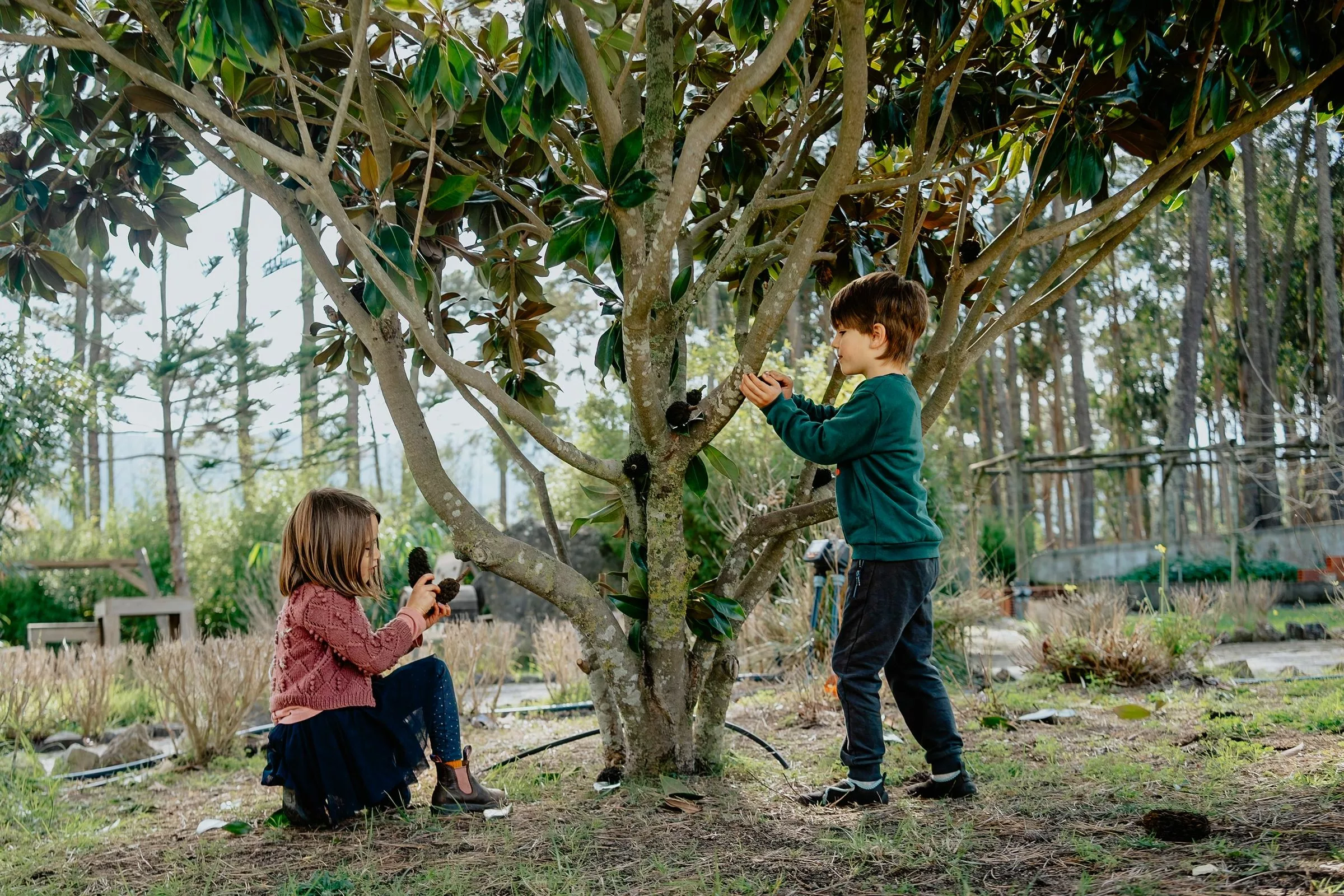
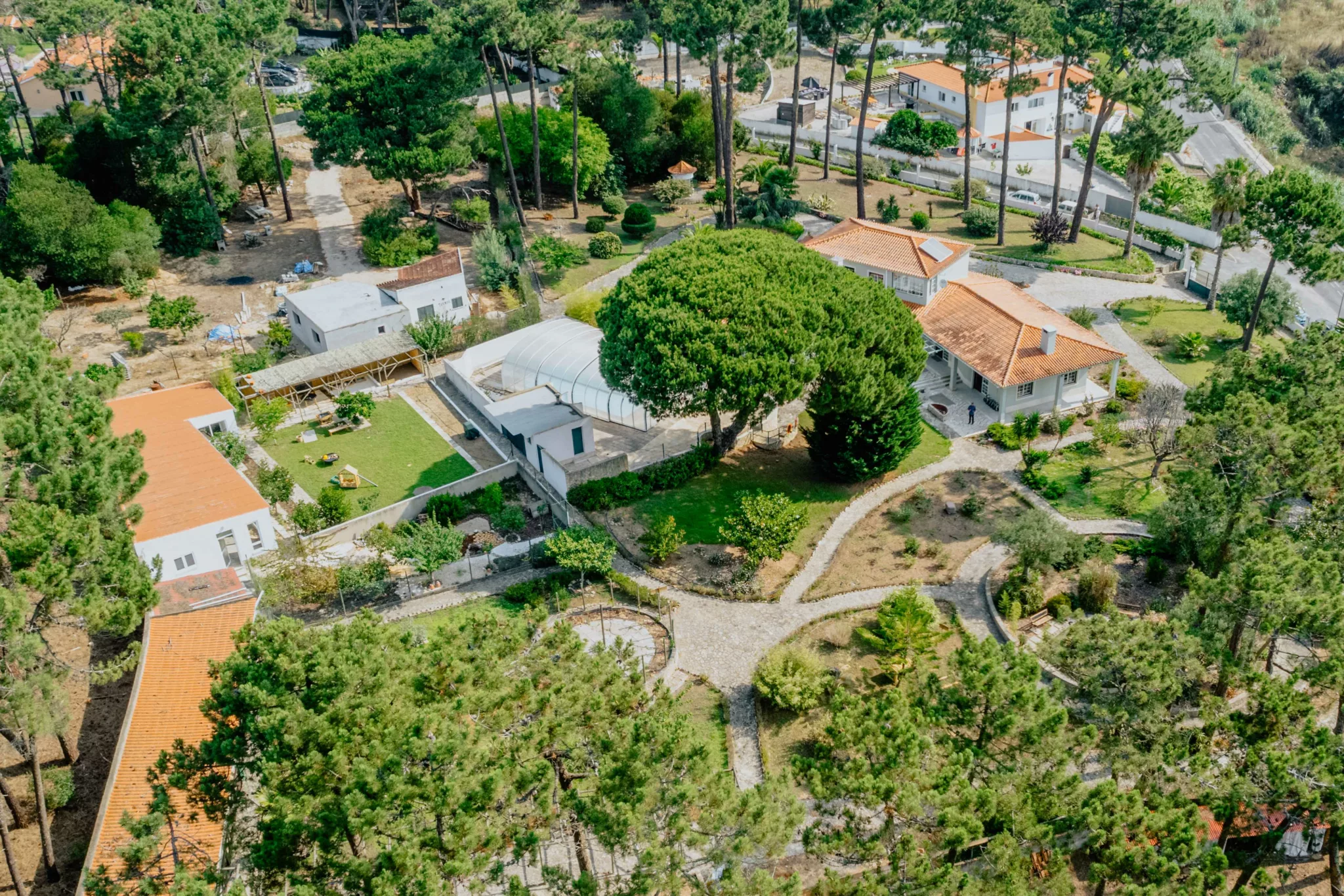
Nature is part of everyday life in Pre-Primary. Hypha’s campus includes 7,000 m² of gardens, wooded areas and outdoor learning spaces. Children spend a lot of time outside each day for learning, lunch, movement and free play.
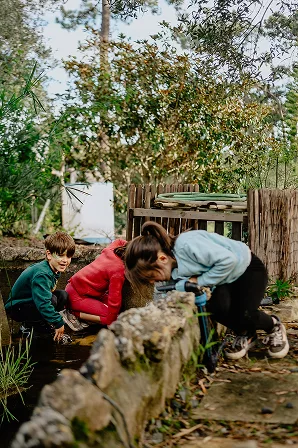
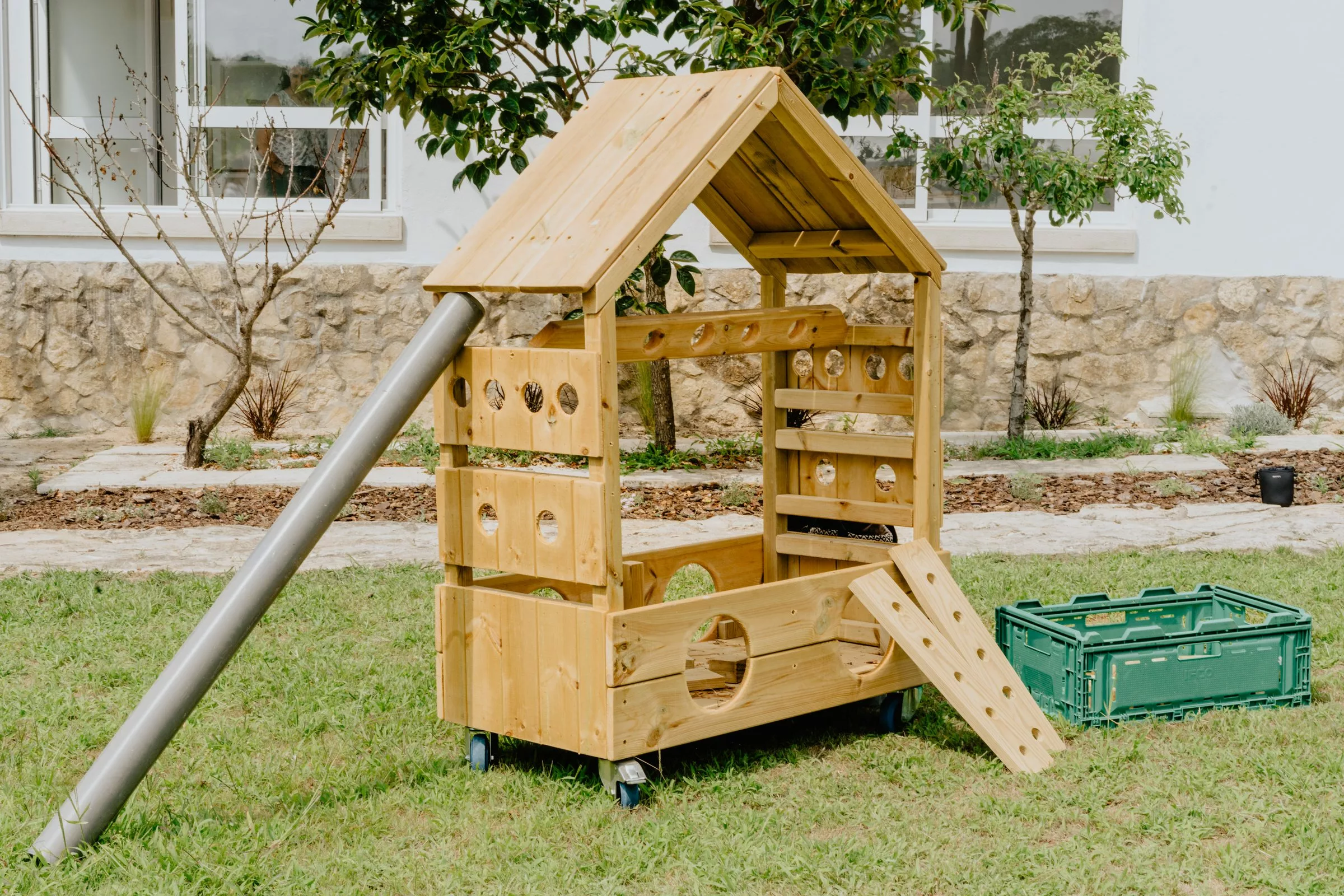
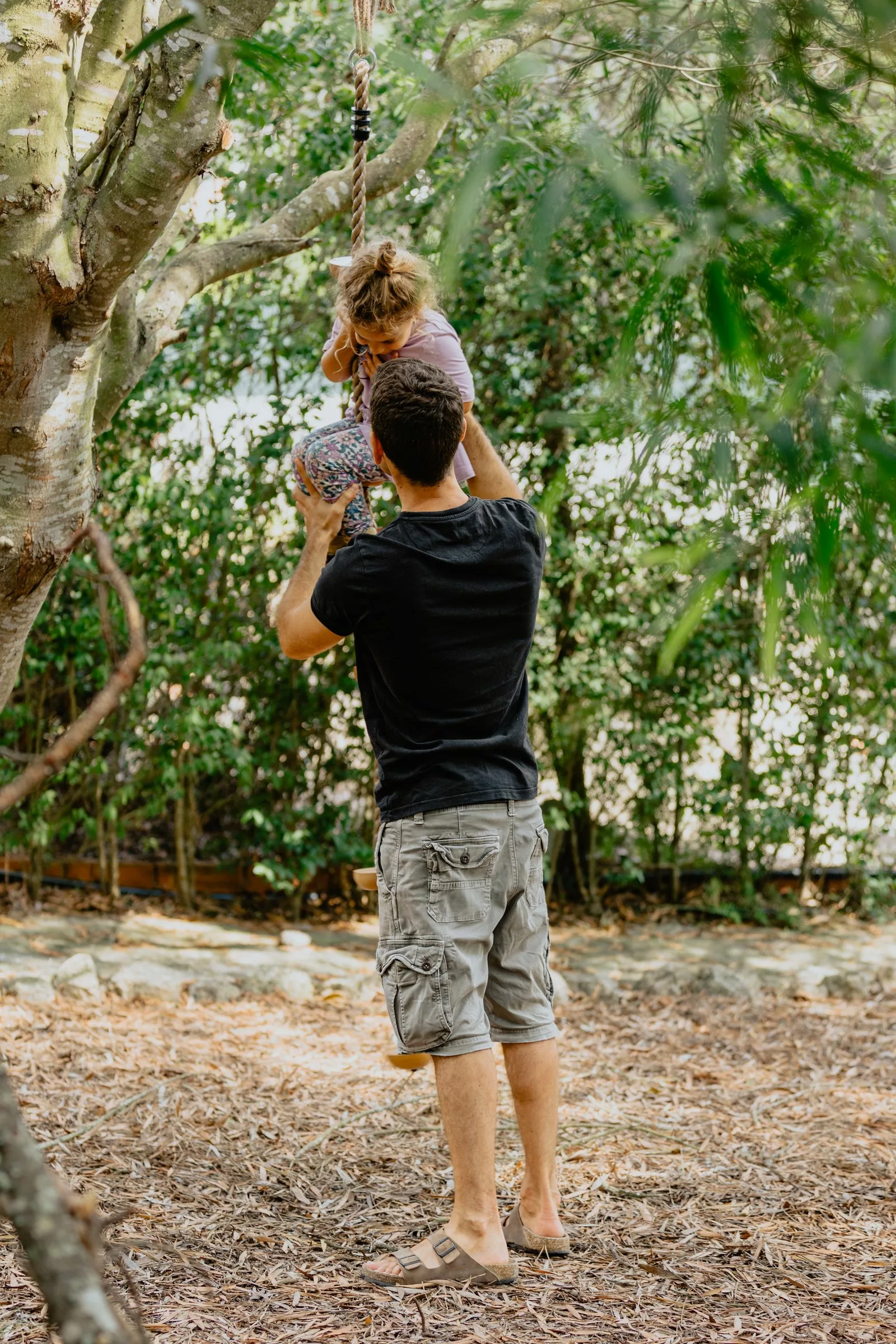
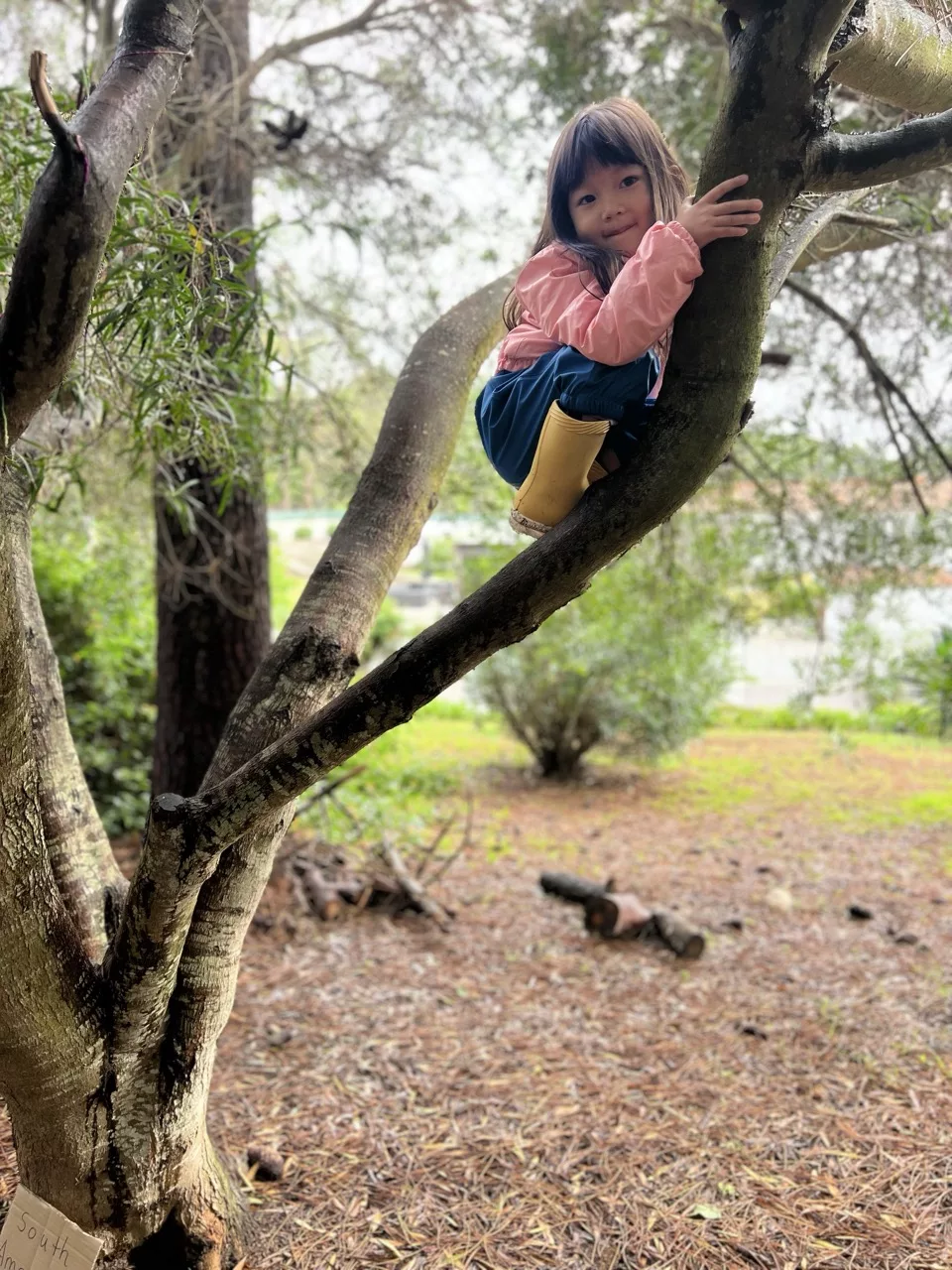
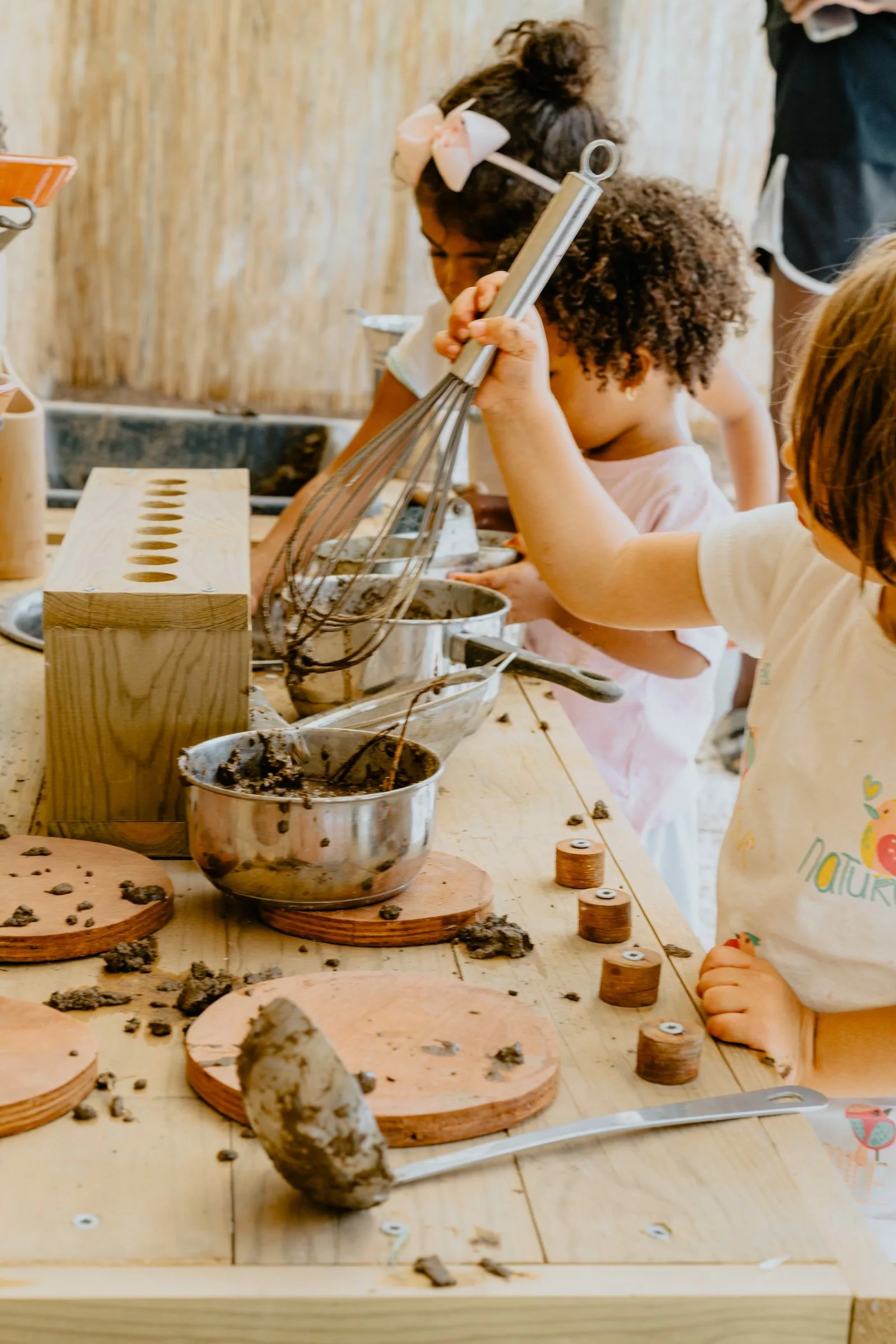
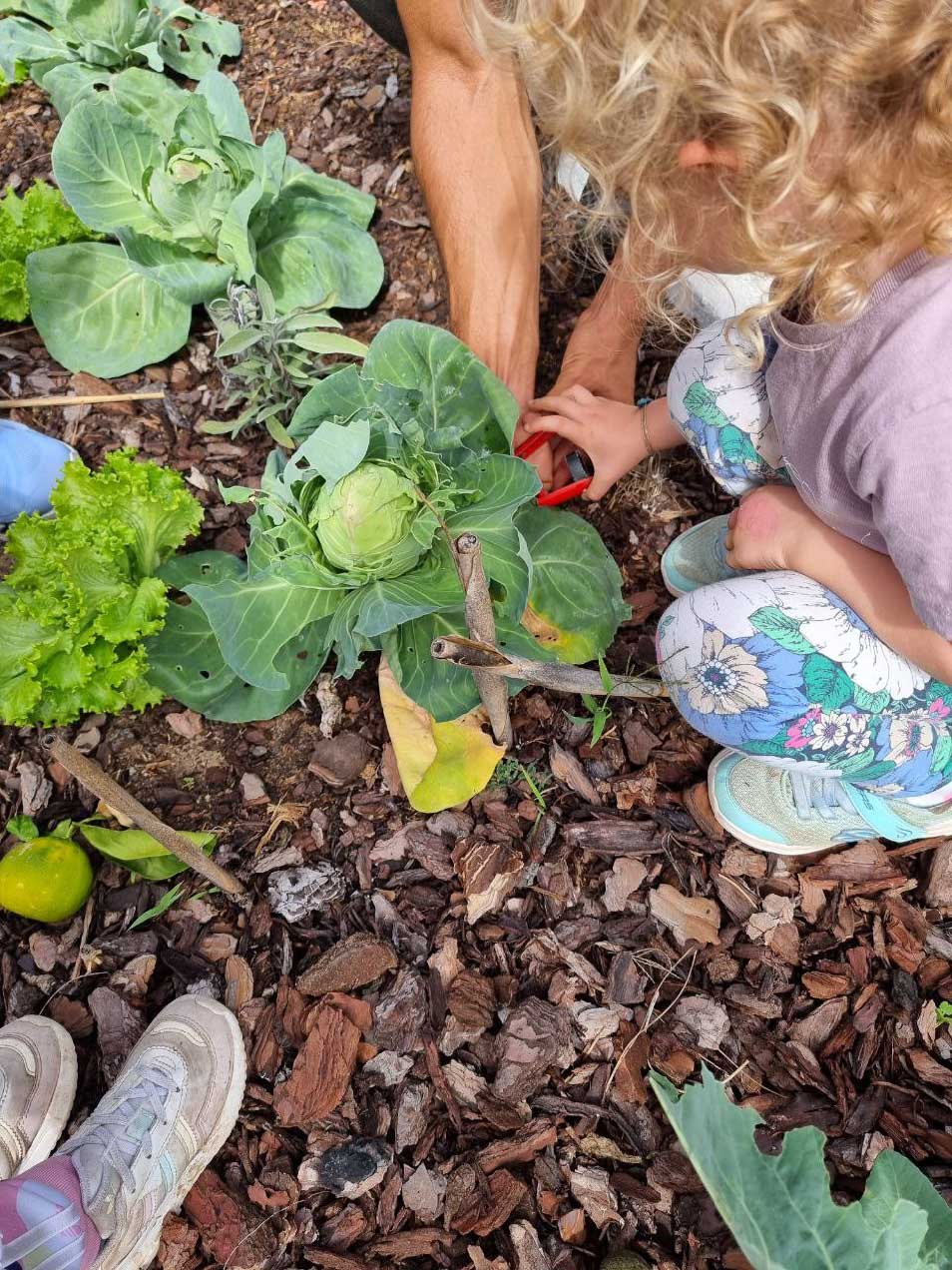
They climb, build, grow plants, look for insects and explore how the environment changes throughout the year. Outdoor activities also connect with the curriculum. Children might count natural objects, measure a garden bed, draw something they have found or use leaves and sticks to create a structure.
Time outdoors supports physical development, curiosity and independence. Children learn to move with confidence, solve practical problems and make their own decisions. They also begin to understand how to care for plants, animals and the environment around them.
Nature School
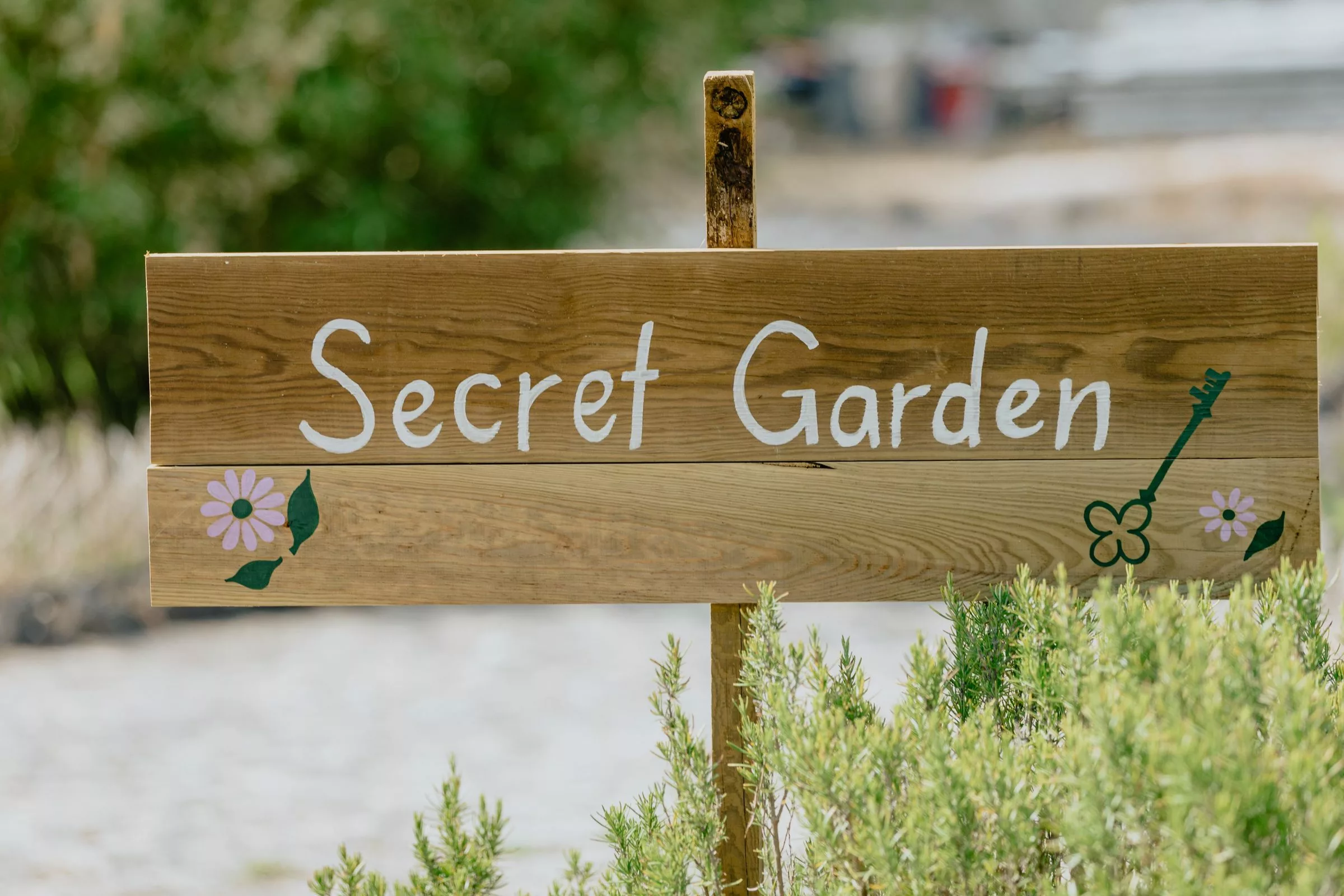
Multiple times a week, children take part in a dedicated Nature School session in the school’s garden.
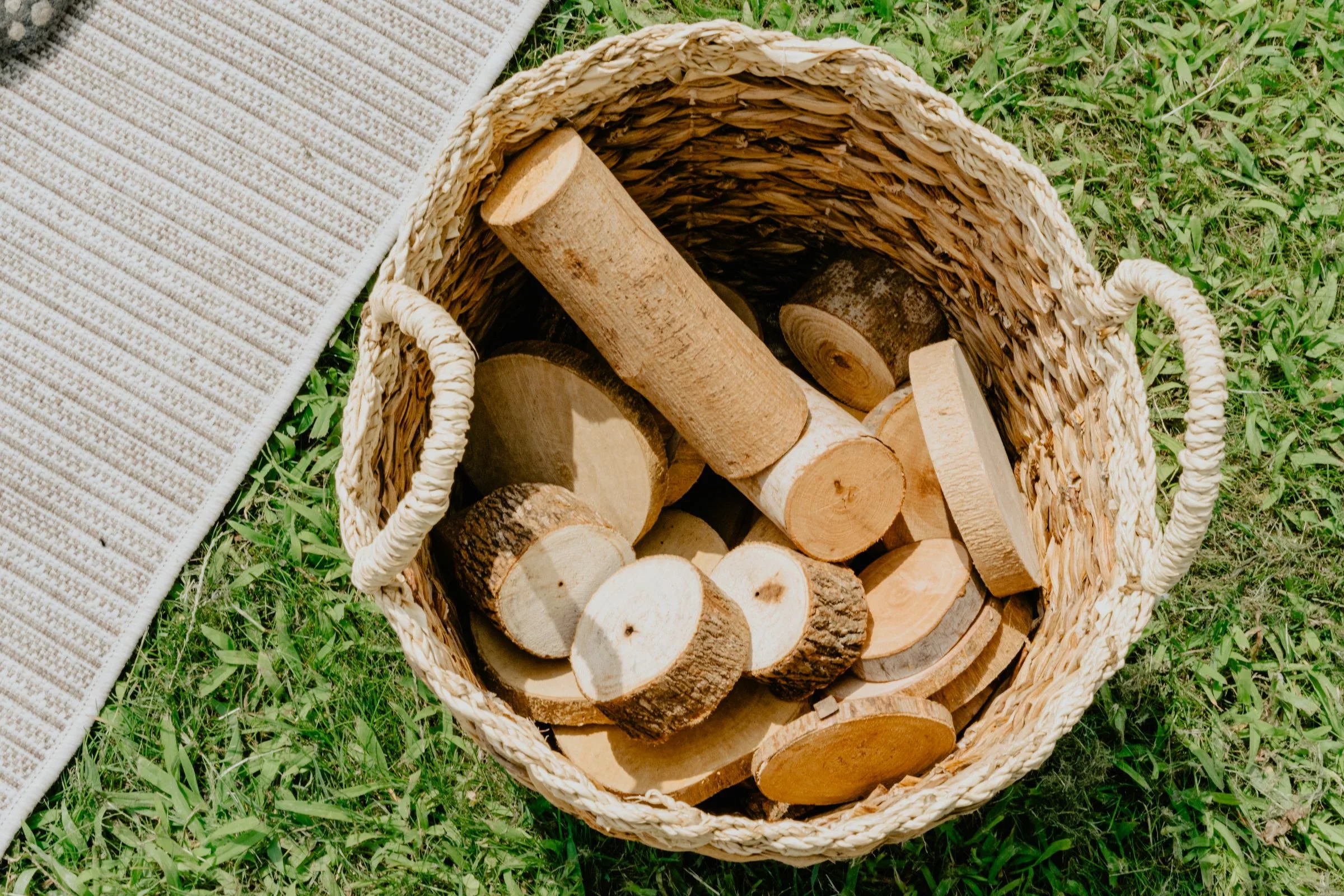
These longer sessions give them time to explore an idea and stay with it. They might build a shelter, search for signs of animals, collect natural materials or work together on a practical challenge. The activities change with the children’s interests, the weather and the seasons.
Educators set clear boundaries and help children take age-appropriate risks. They learn to judge what feels safe, keep trying when something is difficult and work with others. Over time, they become more capable and confident outdoors and build a close relationship with the natural world.
Pre-Primary Learning
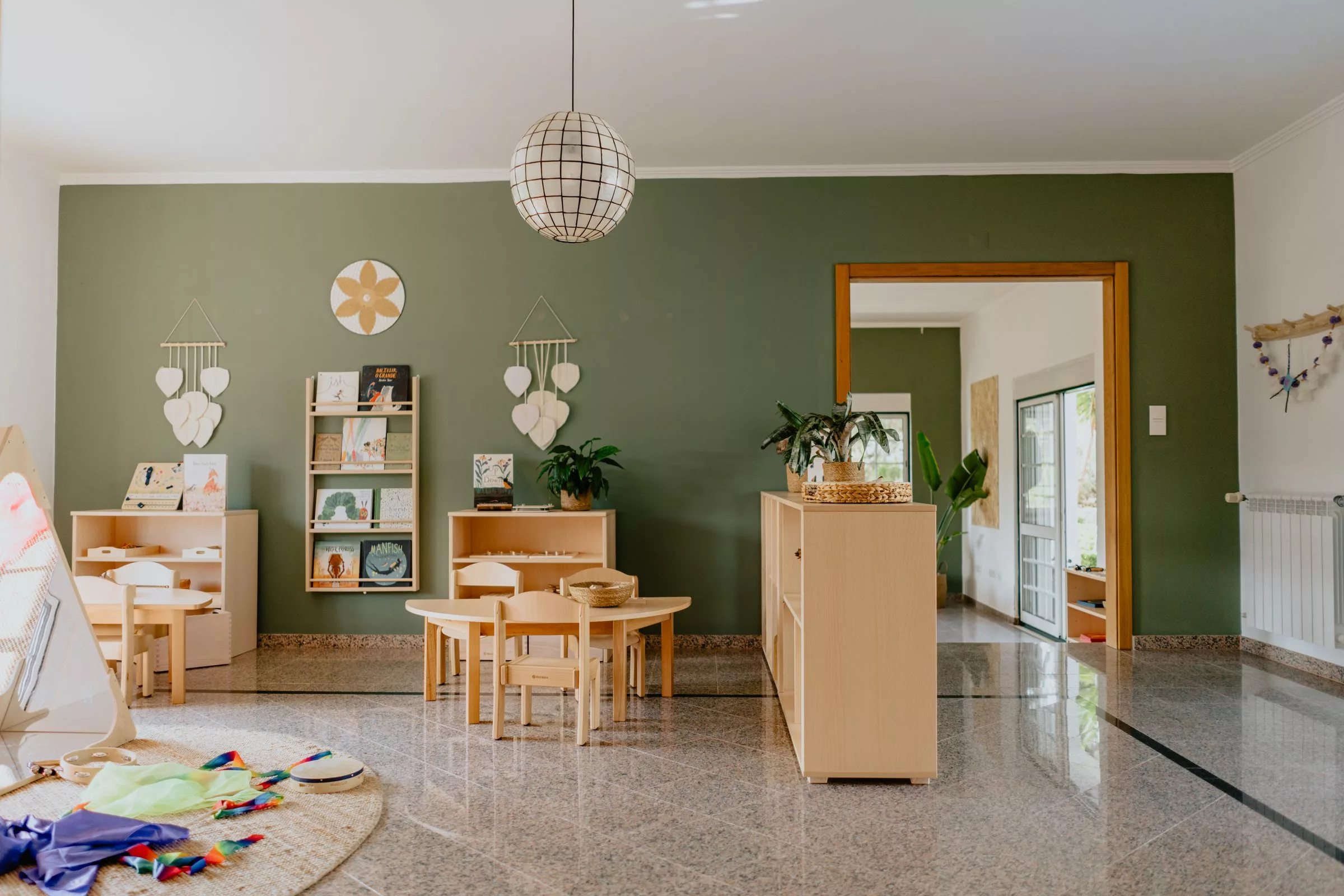
Pre-Primary at Hypha follows the English curriculum while integrating Portuguese language and making full use of our gardens, woodland and outdoor learning spaces.
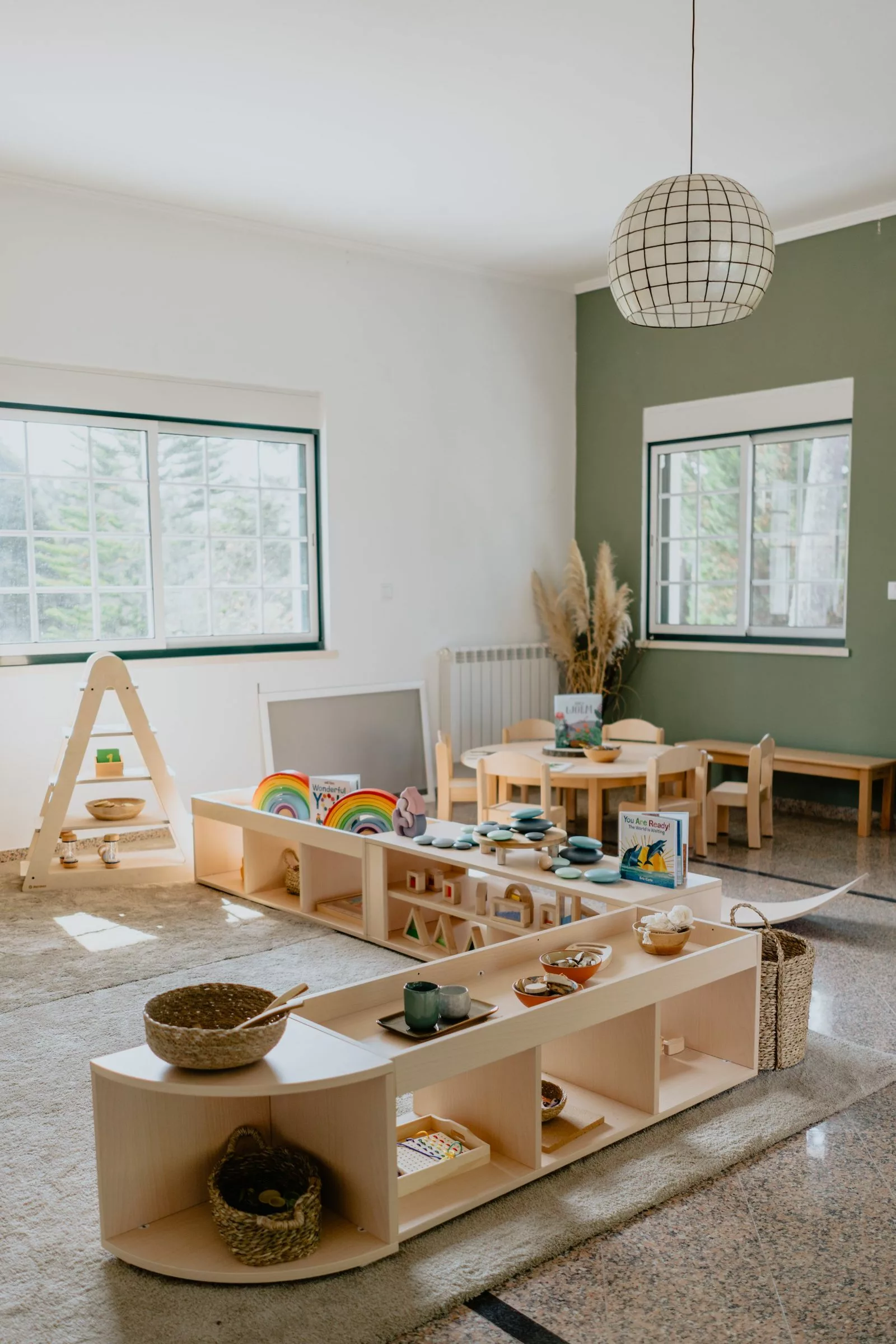
Children build early skills in language and mathematics, explore the natural world and learn how to take part in a community. Learning happens through guided activities, play, stories, projects and hands-on experience.
Communication and Early Literacy
Stories, songs and daily conversations help children grow their vocabulary and express their ideas.
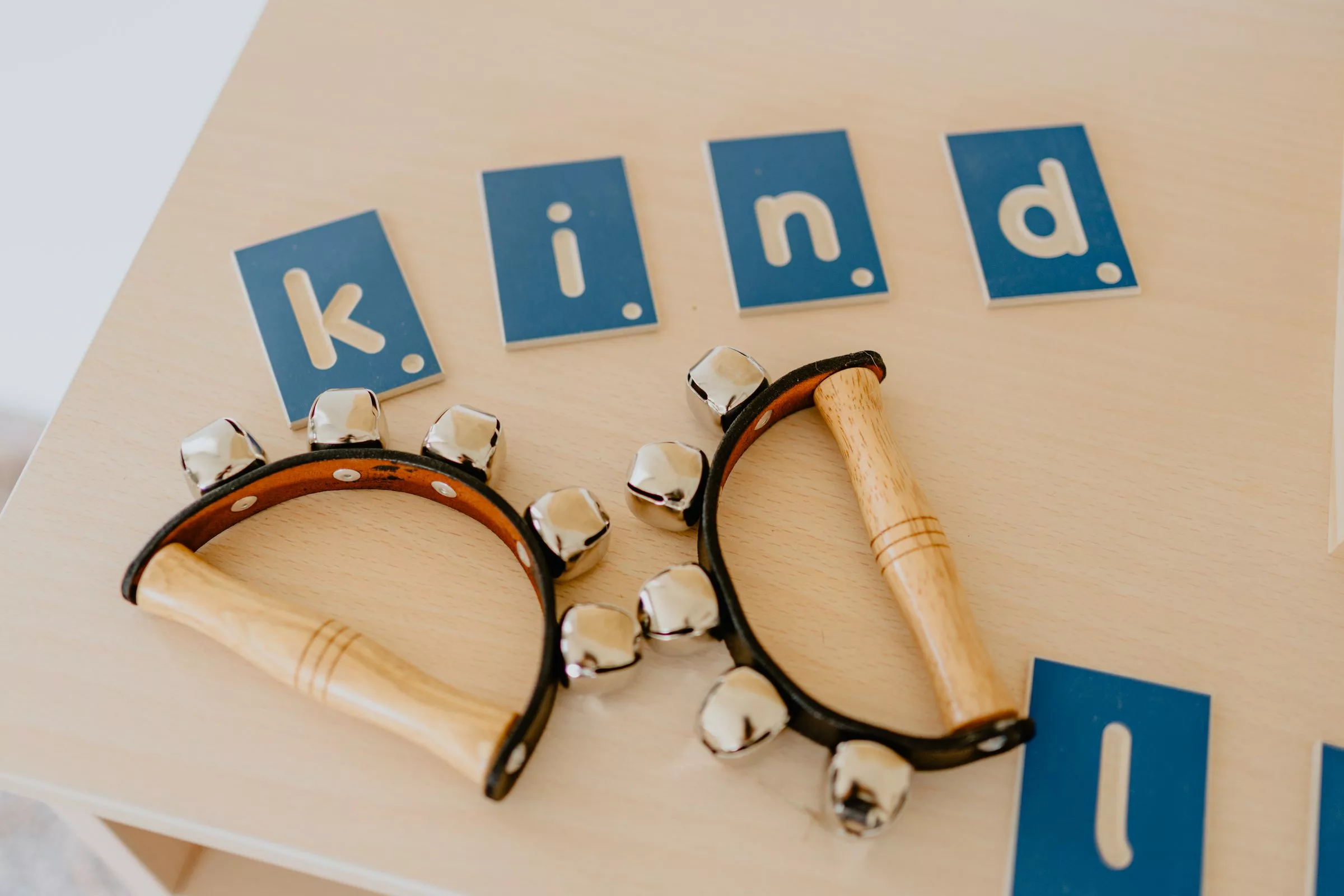
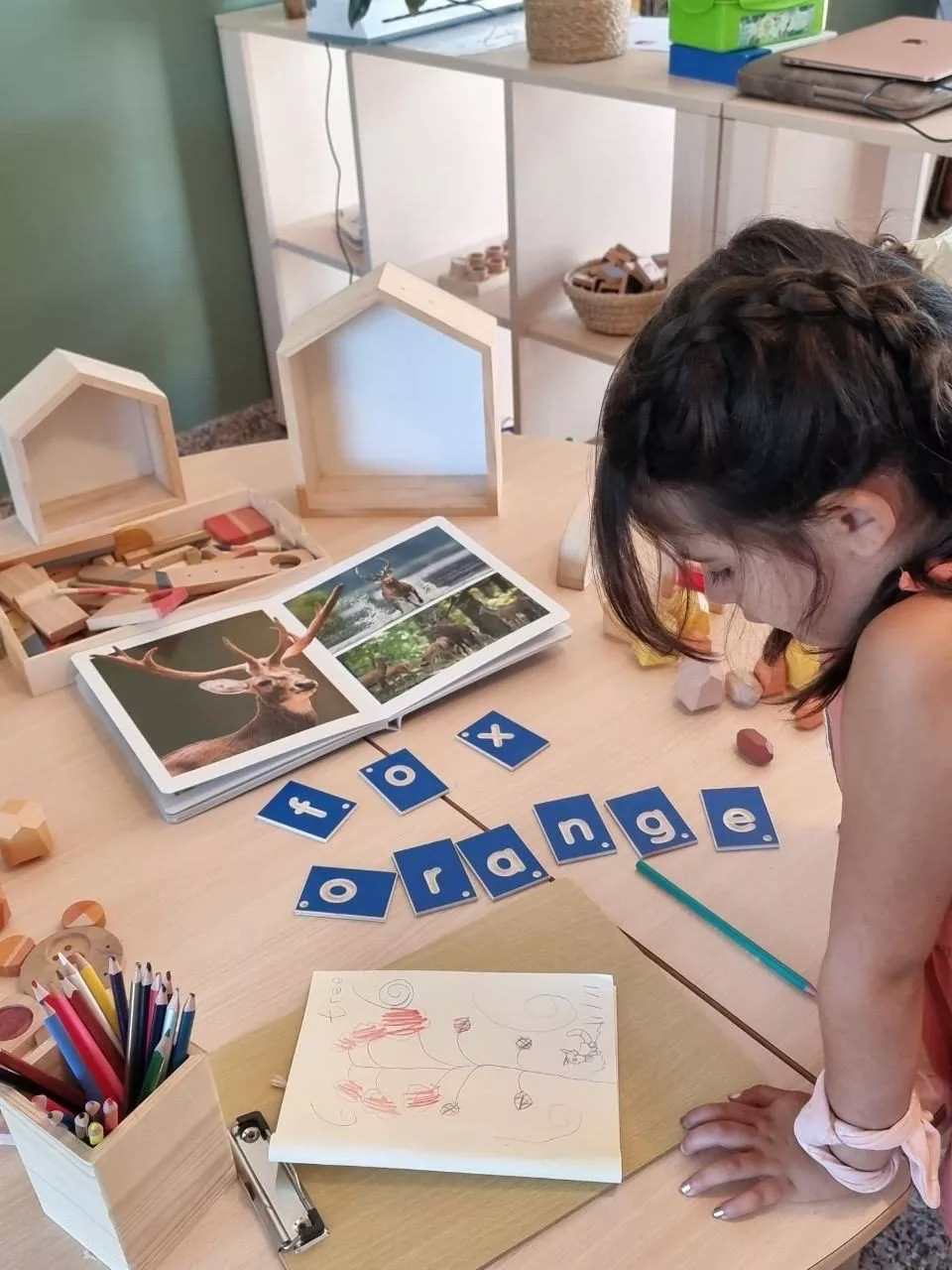
Children explore sounds, letters and words at their own pace. Some may be starting to recognize their name, while others may already be reading. Our educators meet each child where they are and help them take the next step.
Portuguese
Children learn Portuguese through songs, stories, games and everyday conversation.
The focus is on enjoying the language and using simple words and phrases with confidence. Portuguese-speaking educators also bring the language naturally into play, lunch and time outdoors.
Early Mathematics
Numbers become easier to understand when children can see and use them.
Children count natural objects, sort materials, look for patterns, compare size and quantity, and explore shapes around the campus. These practical experiences create a foundation for more formal mathematics in Primary.
Understanding the Natural World
The school’s gardens and forest are part of the classroom.
Children observe plants, insects, animals and changes in the seasons. They garden, care for living things and take part in simple experiments. Weekly Forest School sessions give them more time to explore, ask questions and learn directly from nature.
Art, Music and Imagination
Children paint, draw, build, sing, move and create with a wide range of materials.
Nature often becomes part of their work. A leaf might inspire a drawing, sticks might become part of a structure and a story might grow into a group project.
Physical Development
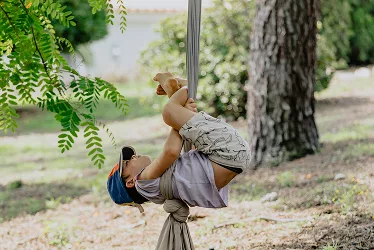
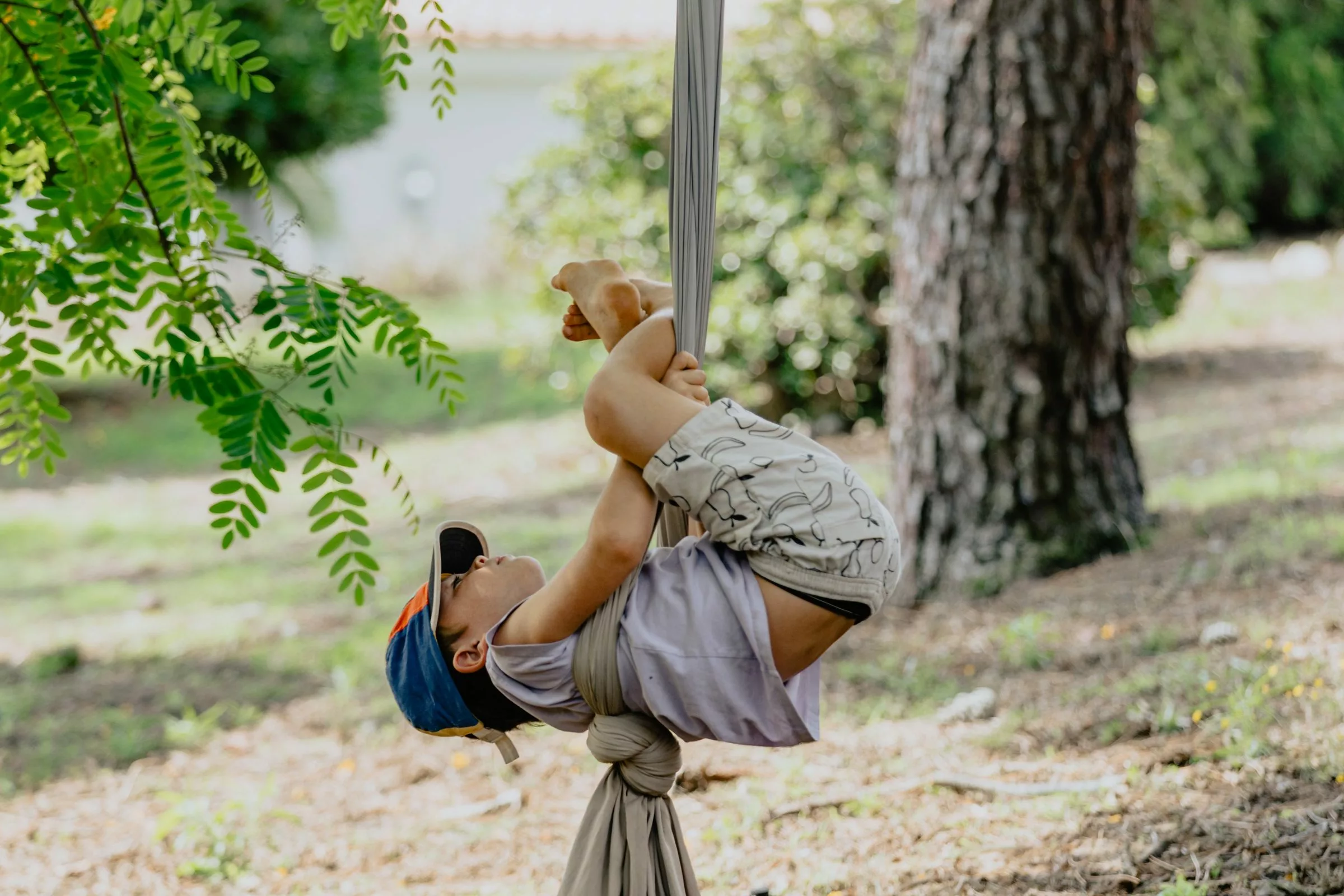
Pre-Primary children spend a large part of every day outdoors, running, climbing, balancing, digging and building.
These experiences develop strength, coordination and confidence.
Social and Emotional Development
Children practice being part of a group every day.
They learn to share ideas and materials, communicate their needs and work through disagreements. Mindfulness activities help them recognize their feelings, slow down and find ways to regulate their emotions.
Preparing for Primary
We introduce structure gradually as children become ready for it.
Children learn to listen in a group, follow familiar routines, complete a task and do more for themselves. Alongside early literacy and mathematics, these habits help them move into Primary with confidence and curiosity.
Extracurricular Activities
After the school day, children can choose from a wide range of extracurricular activities. The program partly changes each term, allowing children to try something new or continue developing an existing interest.
Activities include swimming, gymnastics, Portuguese club and yoga.
The current program is shared with families at the beginning of each term.

A Day in Pre-Primary
Each day follows a familiar rhythm of guided learning, free play, creative activities and time outdoors in Hypha’s gardens and woodland. Lunch and multiple healthy snack-times are provided. Lunch starts with soup followed by a balanced meal made from whole foods. Families are welcome to bring familiar food from home, and no child is ever pressured to eat.
For children starting school for the first time, settling in happens gradually and will not be forced. Educators work closely with parents, helping each child feel safe, build trust and become confident in their new routine.