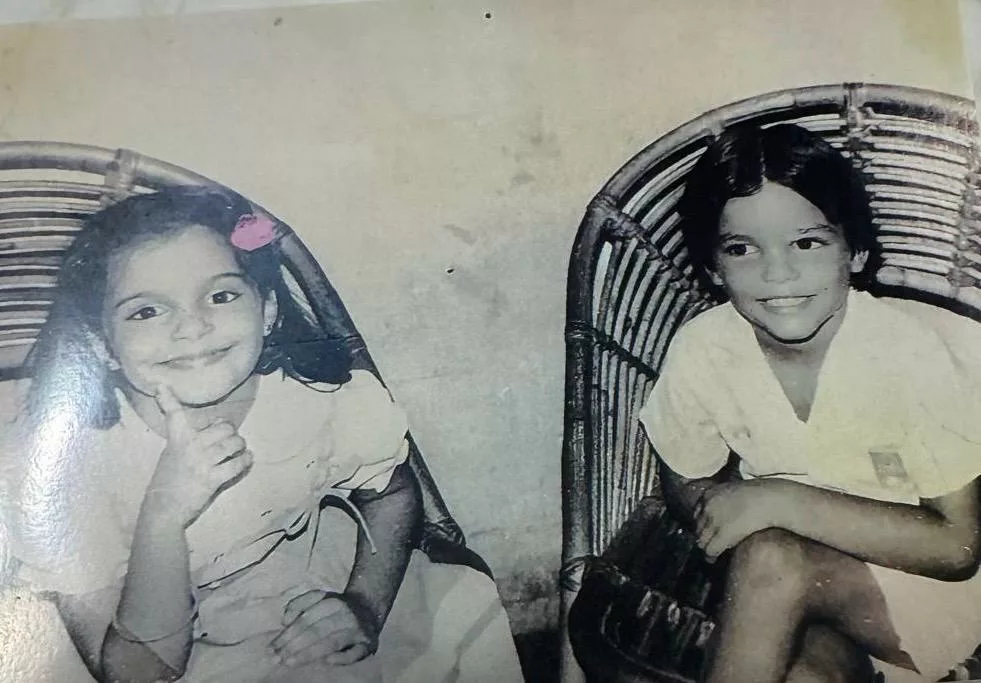
I was born in Cuba. As a child, I grew up with no running water, rationed food, a single phone for the neighborhood, two TV channels and cartoons only on Sunday. Above is a photo of my childhood (we didn’t have iPhones either).
From the very beginning, my family was intentional about providing a strong educational foundation for me. I eventually left Cuba and continued my education to become an engineer.
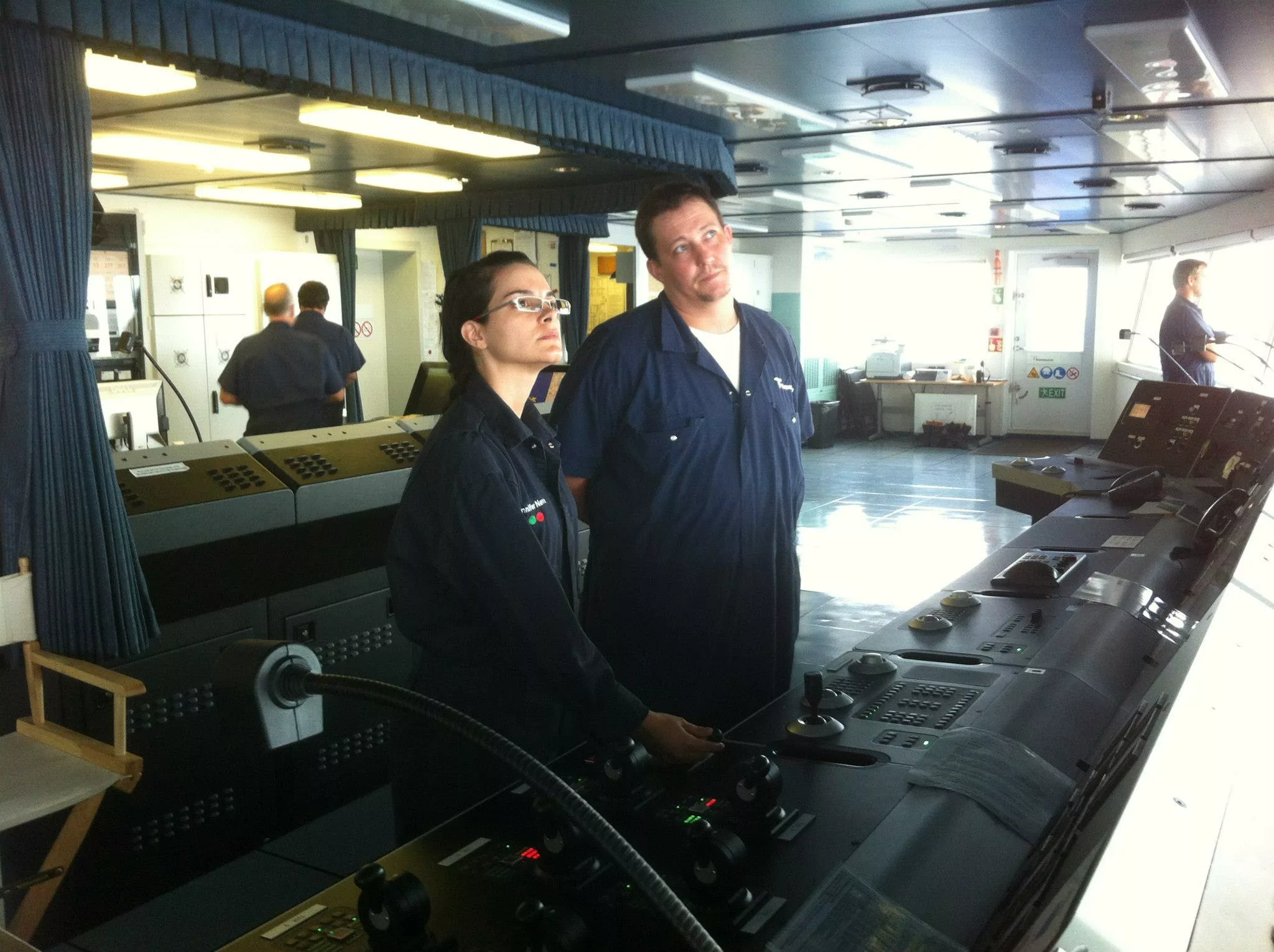
My career took me around the world, leading complex engineering projects in some of the harshest conditions on earth. The work demanded strong technical knowledge across disciplines. It was a life I could hardly have imagined as a child refugee.
That same education later gave me the freedom to step away from a secure career so that I could use my time and skills to create a holistic space for exceptional education: Hypha. Naturally, I am deeply grateful for that opportunity.
Having witnessed privilege from multiple perspectives, I find it ironic that growing pockets of prosperous societies now question the value of knowledge, and mastery of things like numeracy and literacy. In fact, for the past few decades, trends in education have been moving in the opposite direction.
This is especially true for my generation, the “just Google it” generation.
Why memorize facts when the internet already knows all of them? Why fill a child’s head with information that becomes outdated when we can access all the world’s knowledge in an instant? If Google has not made knowledge obsolete, then ChatGPT certainly has. Better to teach skills that can adapt to an uncertain future than to burden children with static knowledge.
It’s a powerful argument. But it’s incomplete.
the purpose of knowledge
One of the main reasons to learn things is that knowledge creates mental models that then scaffold future learning. The more a person knows, the more they can learn.
This concept was introduced by Jean Piaget, one of education’s most foundational psychologists. He described two ways of learning something new. When we encounter something new, we have to find somewhere to put it, a way to understand it. If we already have relevant knowledge, we assimilate the new thing into what we already know, quickly and durably. If we have no existing model, we have to build one from scratch. As Piaget observed, that process is slower, harder, and far more fragile.
If you already understand democracy, capitalism, fascism, communism, and authoritarianism, then learning about socialism is straightforward — you already have a mental model of how governments, economies, and political systems work. That knowledge is the foundation from which you can discuss and think critically about, say, a representative democracy versus a popular one.
Without it, you have to first construct the entire landscape before you can even begin to think. Knowledge is what critical thinking runs on.
That is why at Hypha we balance a holistic, outdoor education with strong academic foundations. The knowledge children learn may not be directly useful in a future dominated by technology. But it allows them to learn more, and learn faster. And it enables critical thinking in a future where it’s as important as ever.
I left Cuba with more knowledge than I knew what to do with, and lots of knowledge that I have not used since. That turned out to be exactly right.