Why
Hypha

Academics
Hypha follows the Cambridge International Curriculum from Primary onwards.
For individual subjects, teachers use established programs such as Read Write Inc. for English and Singapore Mathematics. Pupils build strong foundations in literacy, mathematics, science and the humanities while learning to think independently and apply their knowledge.
Primary classes have up to 16 pupils, supported by two to three educators. Teachers follow each learner closely, identifying when they need more support, further practice or greater challenge. Families receive regular feedback and detailed reports that explain what their child has learned and what comes next.
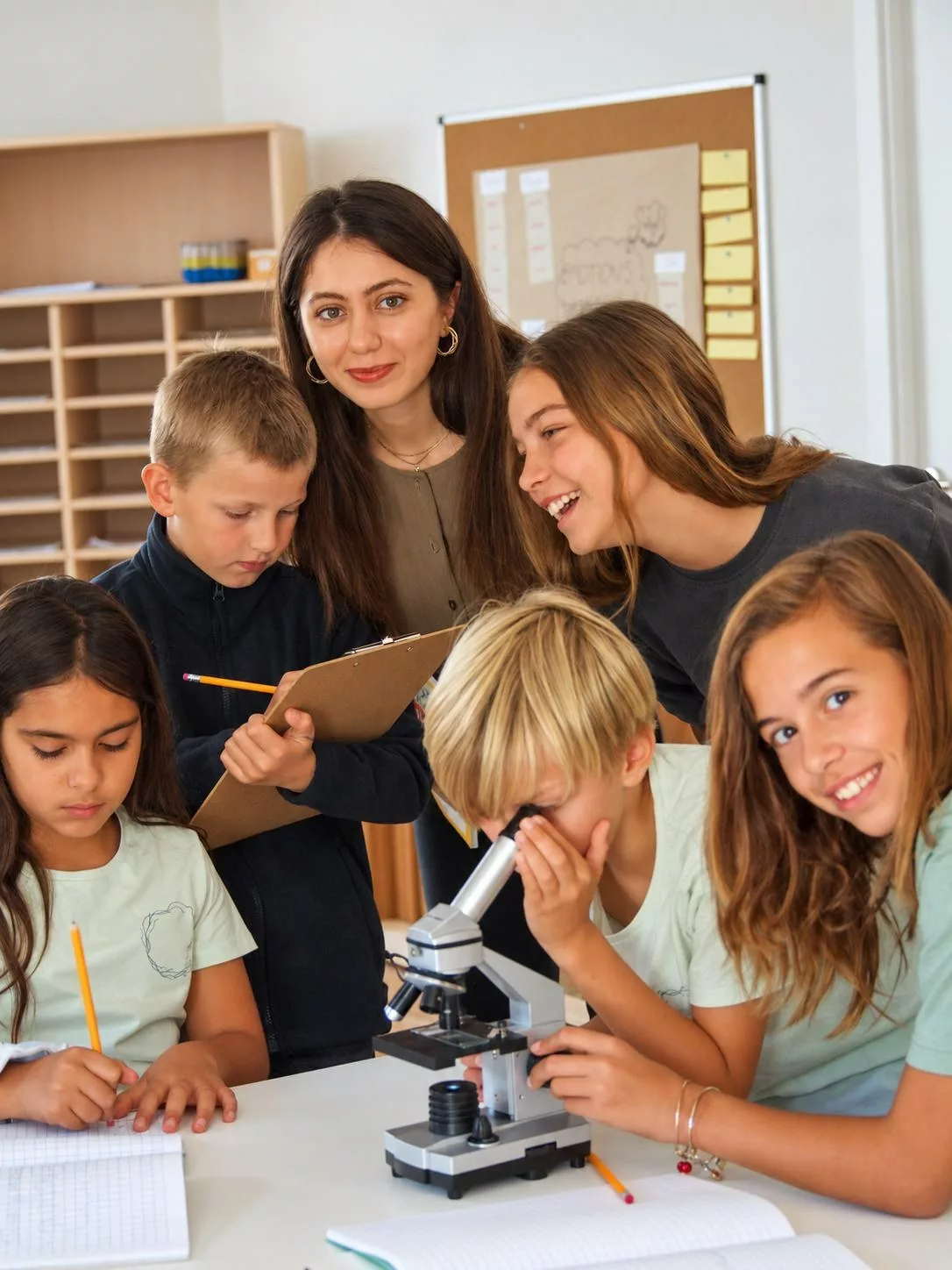
Excellent Teaching
Hypha recruits experienced educators from different countries and school systems, alongside Portuguese and specialist teachers. Regular classroom observation, professional development and shared planning help maintain consistently high standards across the school.
Knowledge Children Can Use
Direct teaching is supported by experiments, practical work, projects and Socratic Seminars. Mathematics may move into the garden, a scientific question may become an investigation and a complex issue may be explored through structured discussion.
This helps children understand what they learn, make connections and approach new questions with confidence.
Wellbeing
Wellbeing at Hypha includes daily, age-appropriate mindfulness and social-emotional learning. Children learn to recognize emotions, communicate what they need, build healthy relationships and deal with setbacks.
Our educators are trained in Positive Discipline. When difficulties arise, they work with children to understand what is behind the behavior and find constructive solutions.
Nature
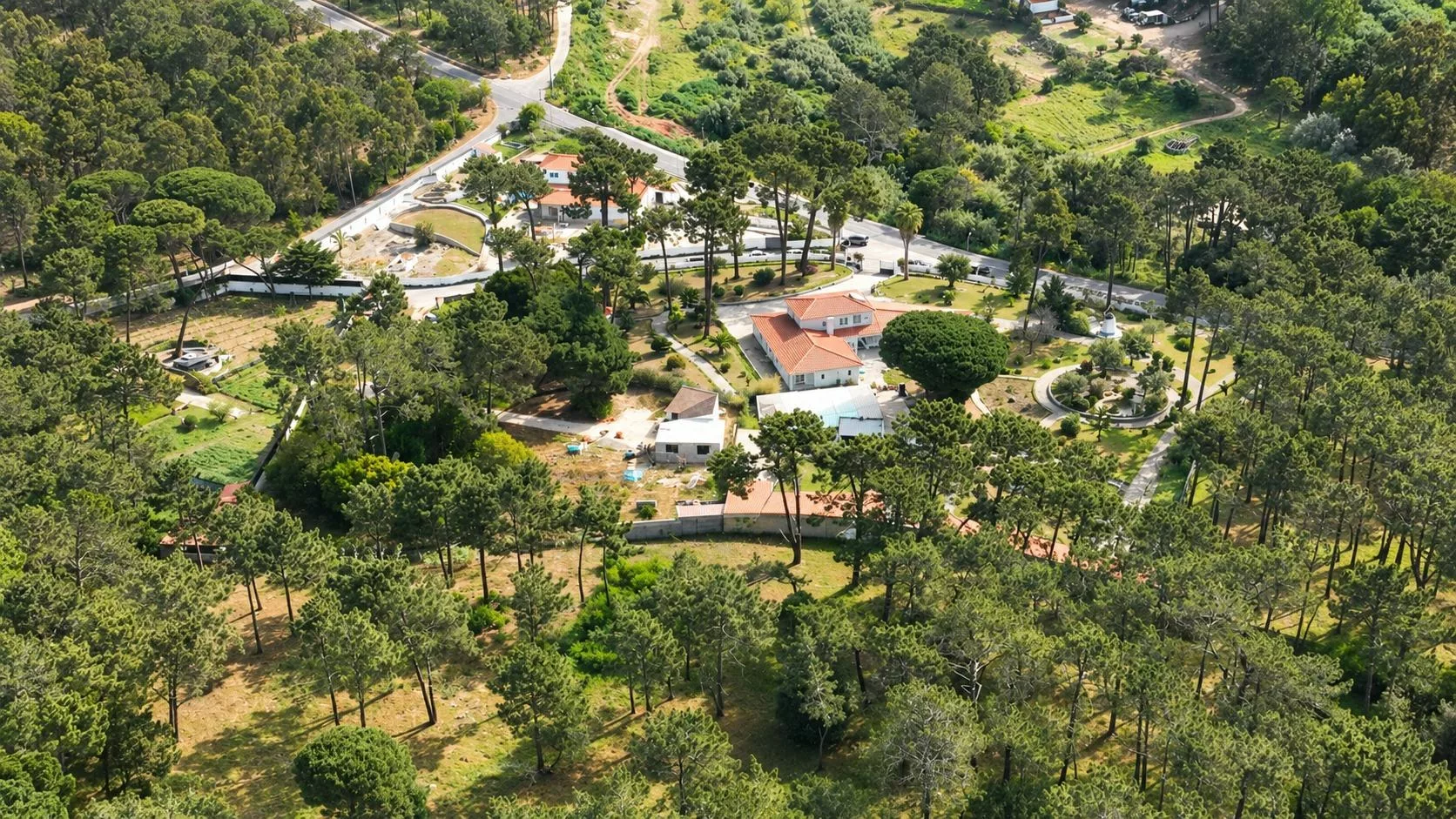
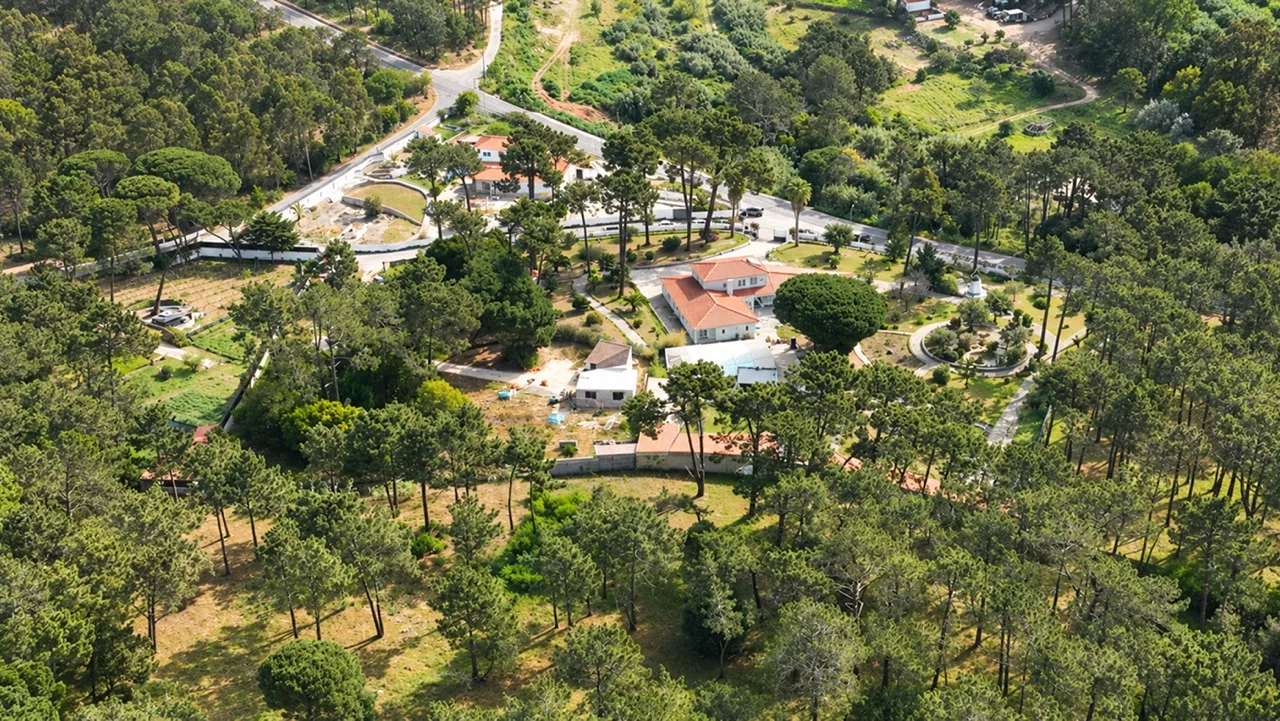
Hypha is surrounded by 7,000 m² of gardens and woodland in the Sintra-Cascais Natural Park, with another 6,000 m² at the sports complex. Children spend around three hours outside each day for learning, meals, movement and play.
Outdoor spaces are used whenever they add something meaningful to a lesson. Kids might measure a garden bed in mathematics, observe an ecosystem in science or use the local landscape as the starting point for a humanities project.
Regular Nature School sessions give them time to work more deeply outdoors. They may build shelters, look for signs of animals, use natural materials or solve a practical challenge together.
There is also time to climb, invent games and explore with friends. These less structured moments help pupils make decisions, assess appropriate risks and become more independent.
“The outdoors is part of the classroom, and part of childhood.”
Sports and Movement
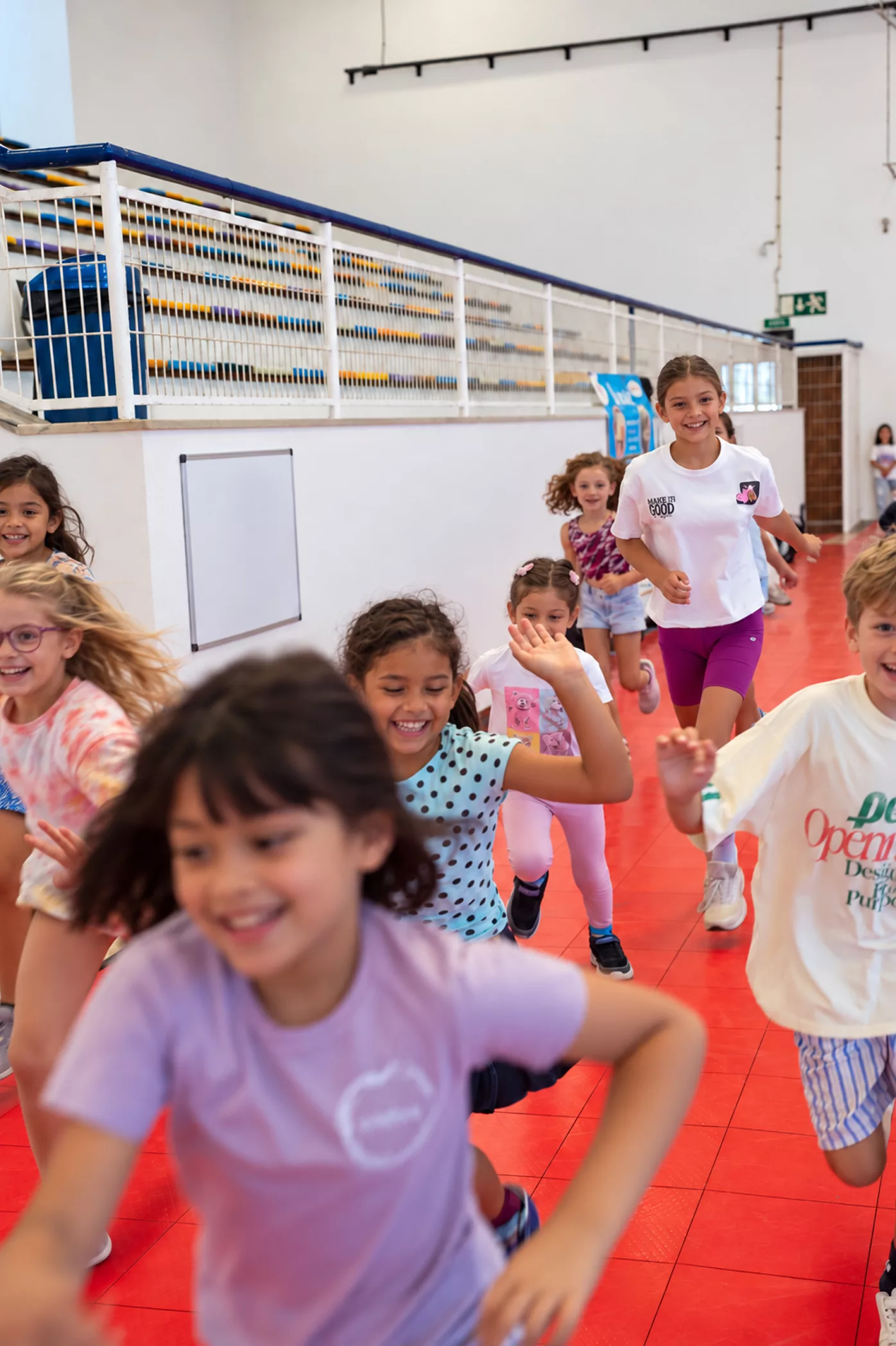
Movement is built into everyday life at Hypha. Children have regular Physical Education with specialist educators, spend time outside each day and take movement breaks between periods of focused learning.
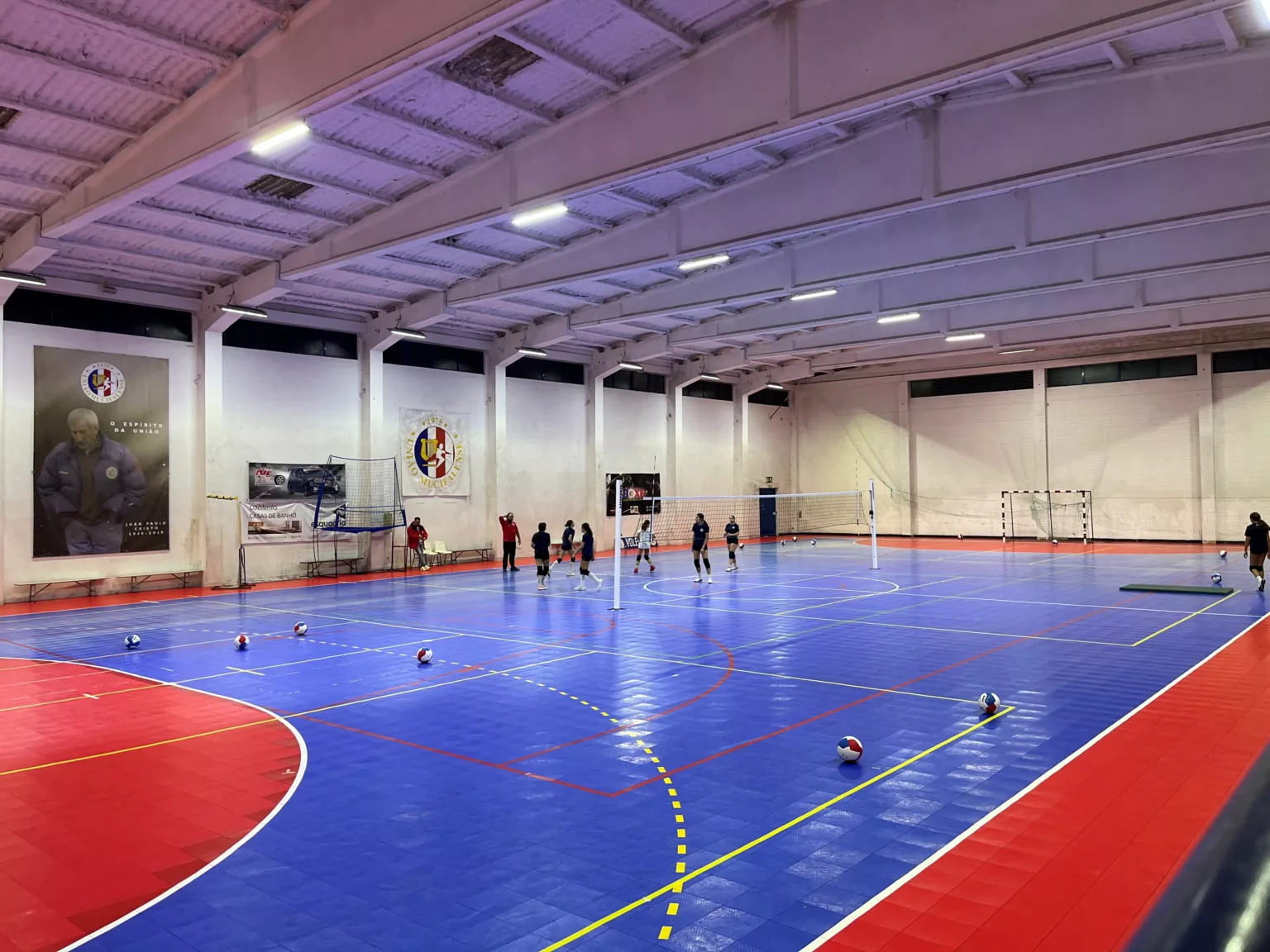
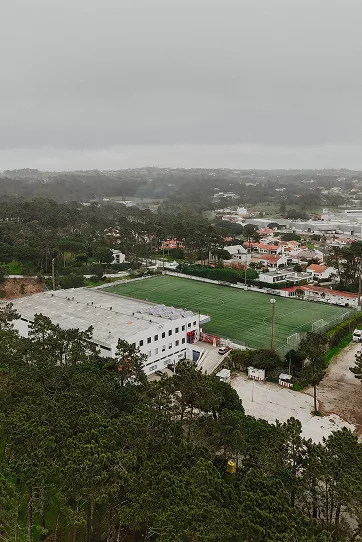
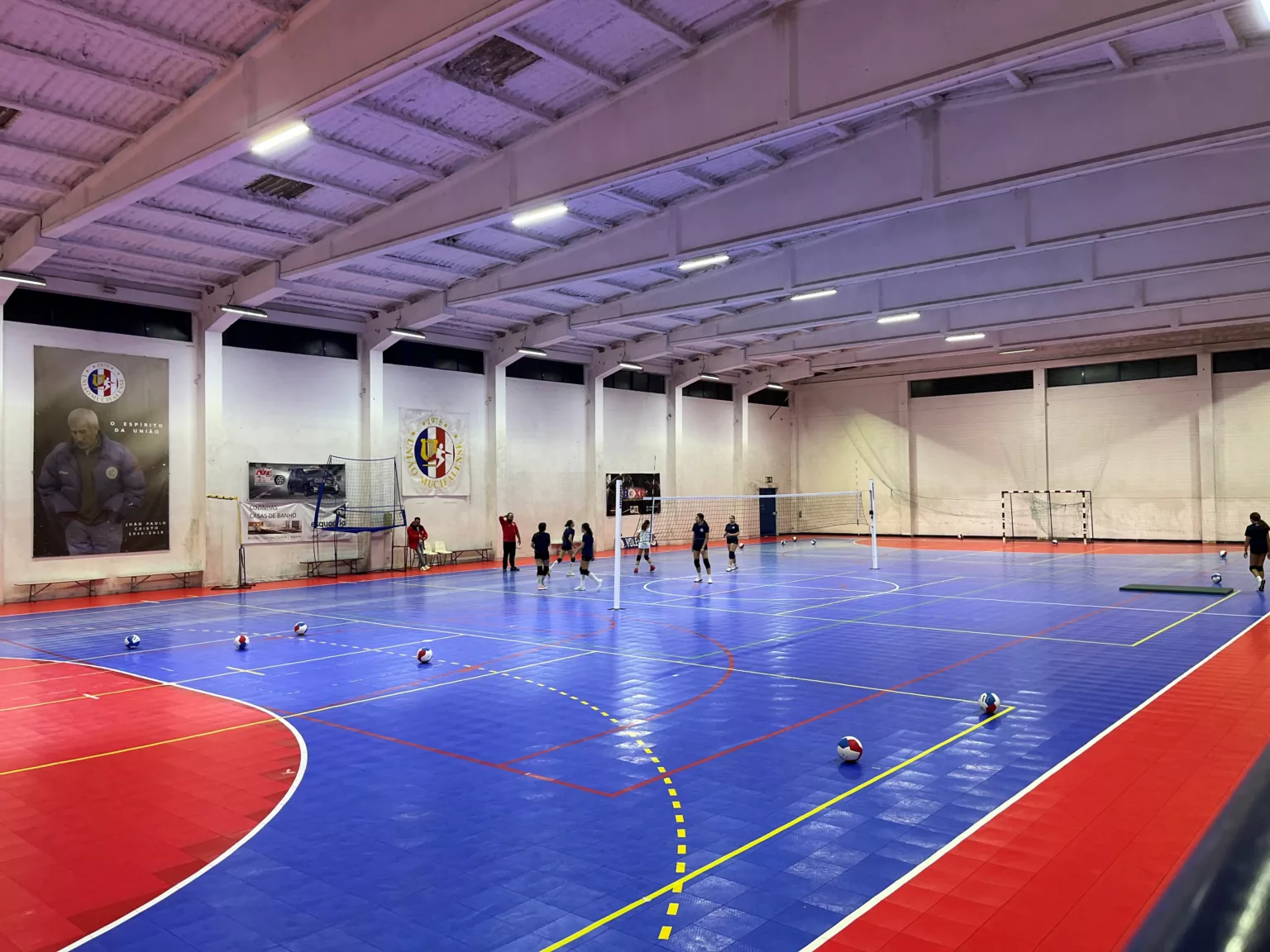
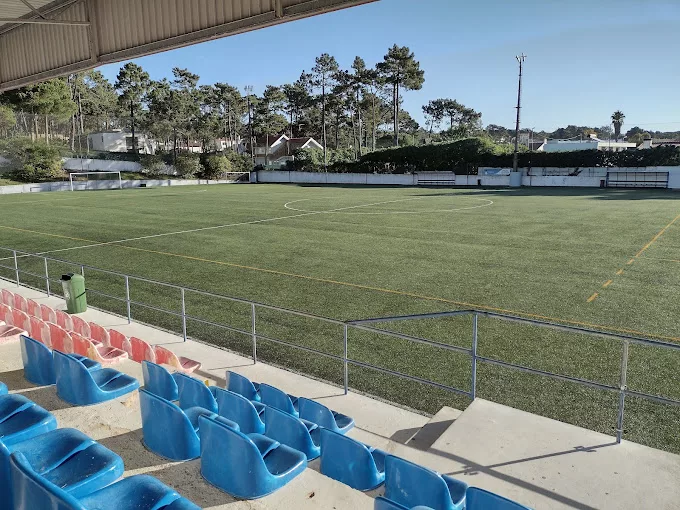
Through Hypha’s partnership with União Mucifalense, pupils use professional local facilities including an indoor sports hall, a full-size football pitch, a gymnastics studio and a martial arts dojo. Even the journey there becomes part of the experience, with a walk through the forest from the school.
Across the year, children can experience activities such as football, gymnastics, swimming, martial arts and surfing. The program changes according to the season, age group and available partnerships.
Sport helps children develop strength and coordination while learning to practice, work with others and respond constructively to both success and disappointment.
Community
Hypha brings together families from more than 20 nationalities. Its small size means kids, parents and educators get to know one another naturally, helping new children settle in and families quickly feel at home.
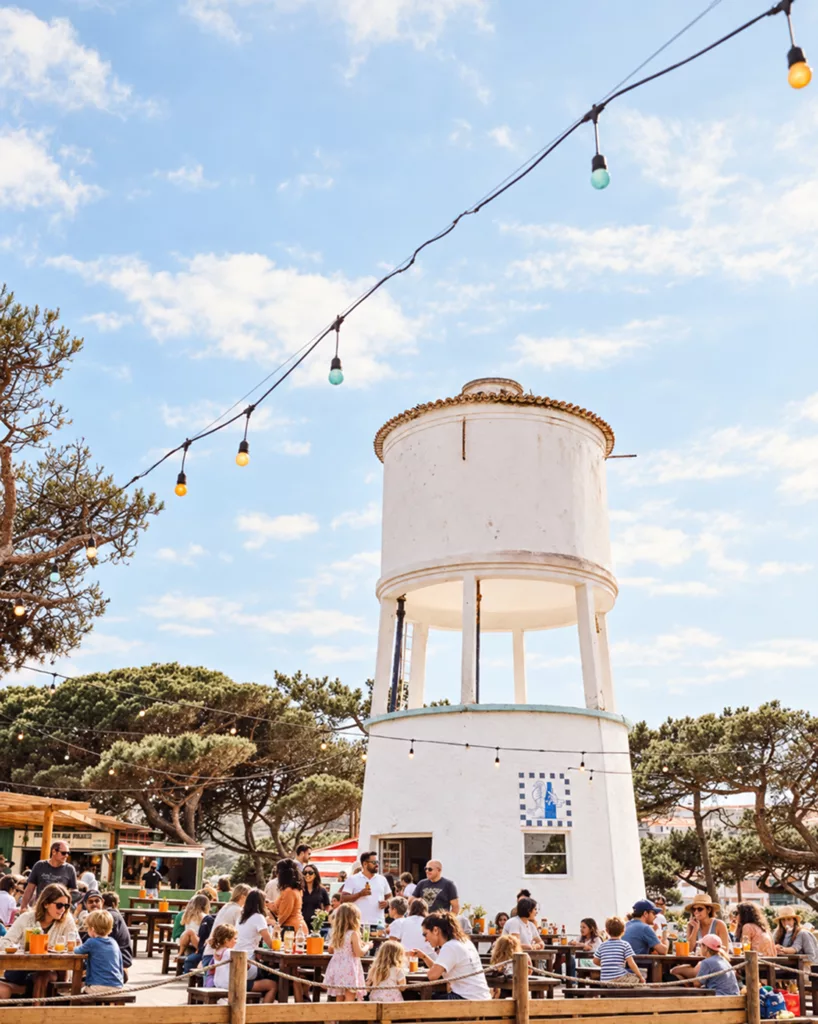
Many families live in Colares and the surrounding area, so friendships continue beyond the school day. Children and adults meet for Friday afternoons at Aldeia da Praia, padel games, dinners, dancing and time at the local beaches.
Parents also bring a wide range of professional and cultural experience into the school, contributing to projects and connecting learning with the world beyond the classroom.
Meet the Team
When we founded Hypha, we imagined the kind of school we would want for our own children: academically ambitious, deeply connected to nature and small enough for every child to be truly known.
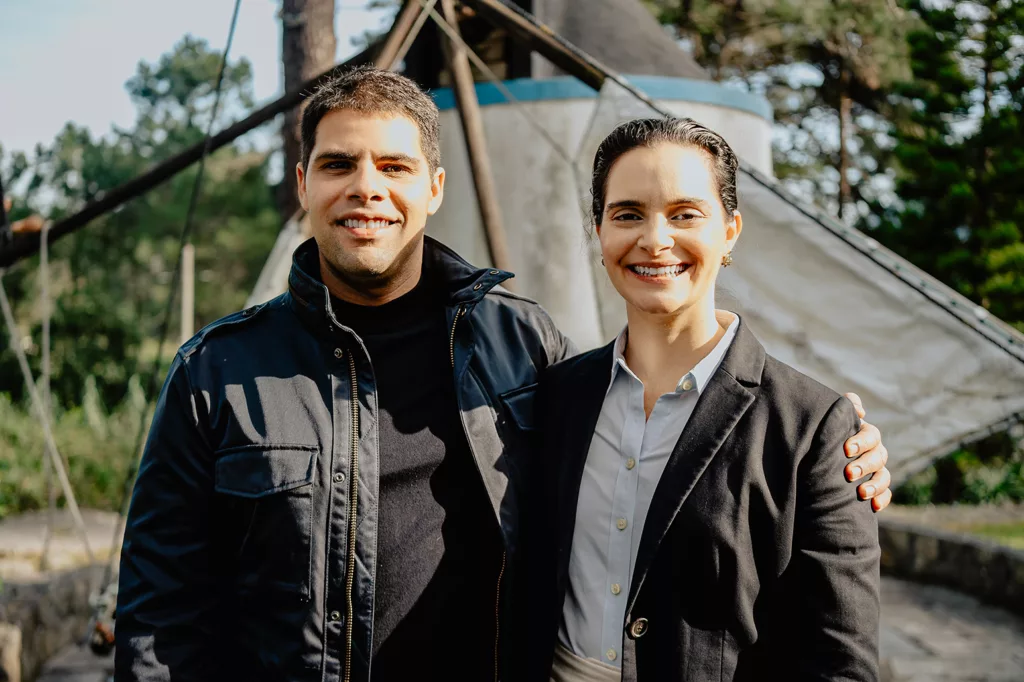
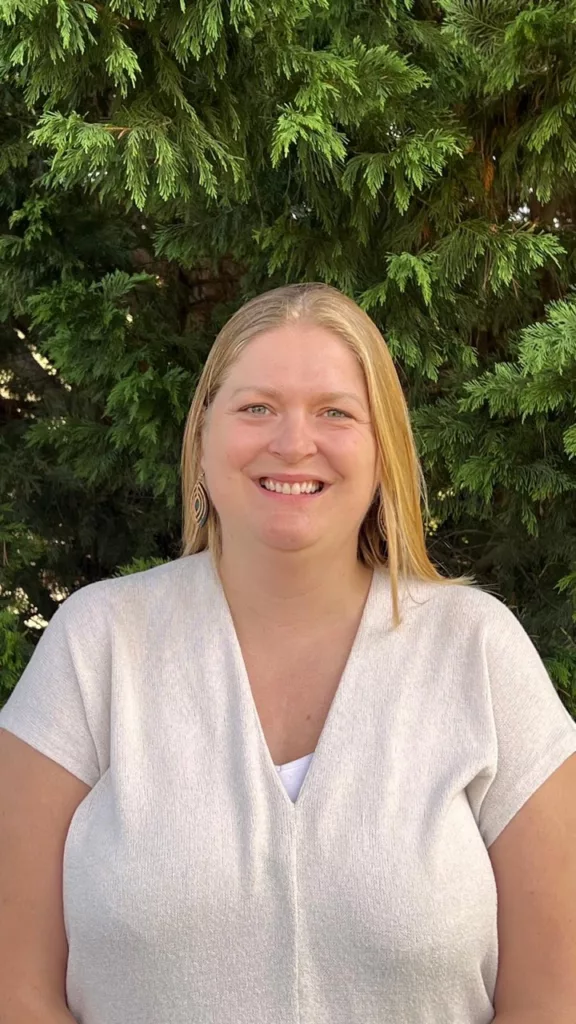
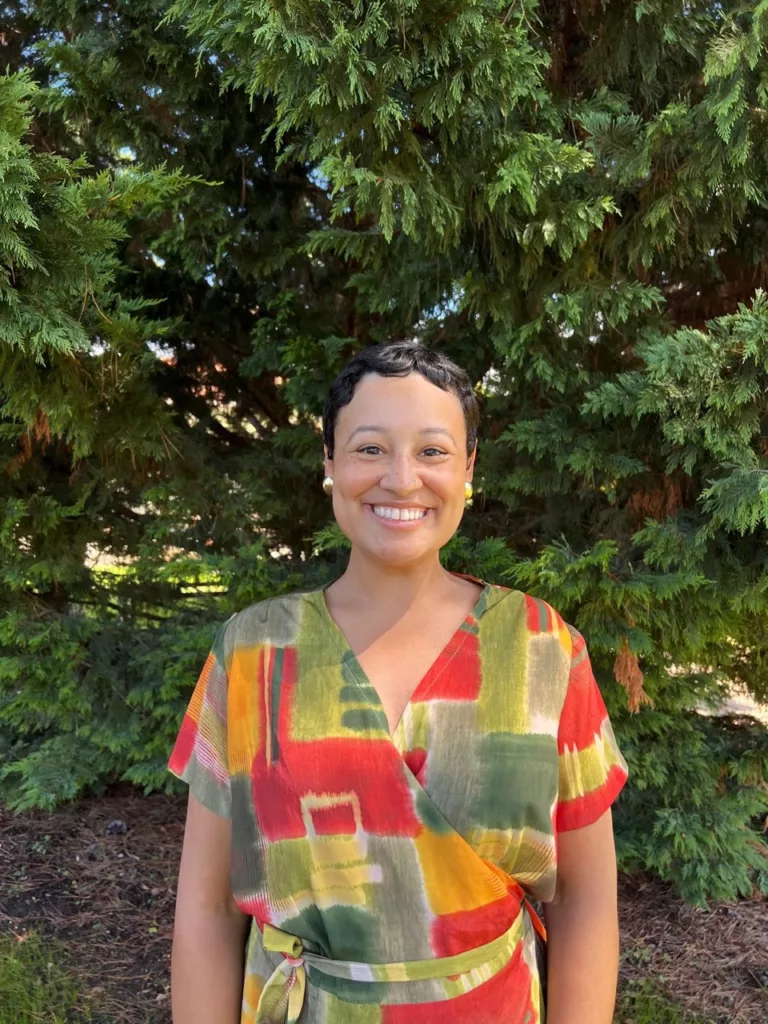
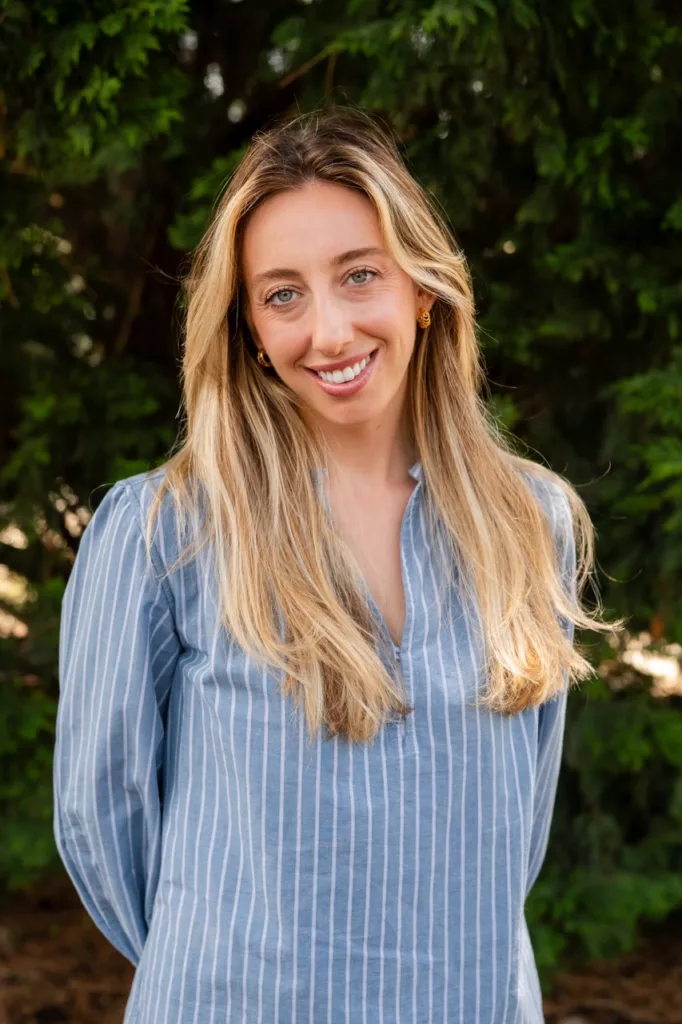
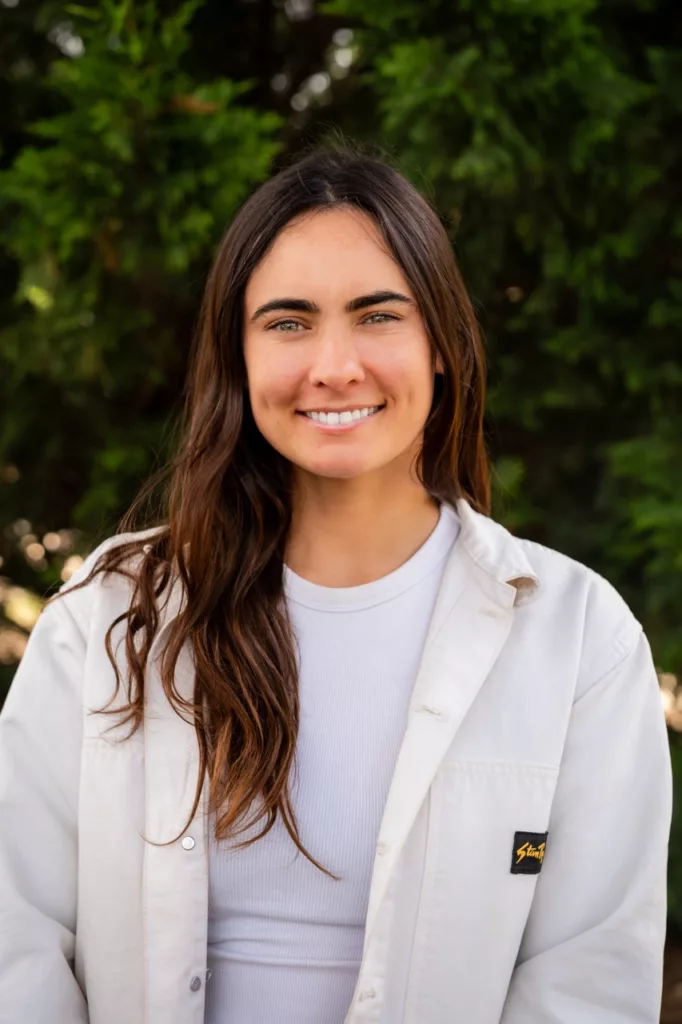
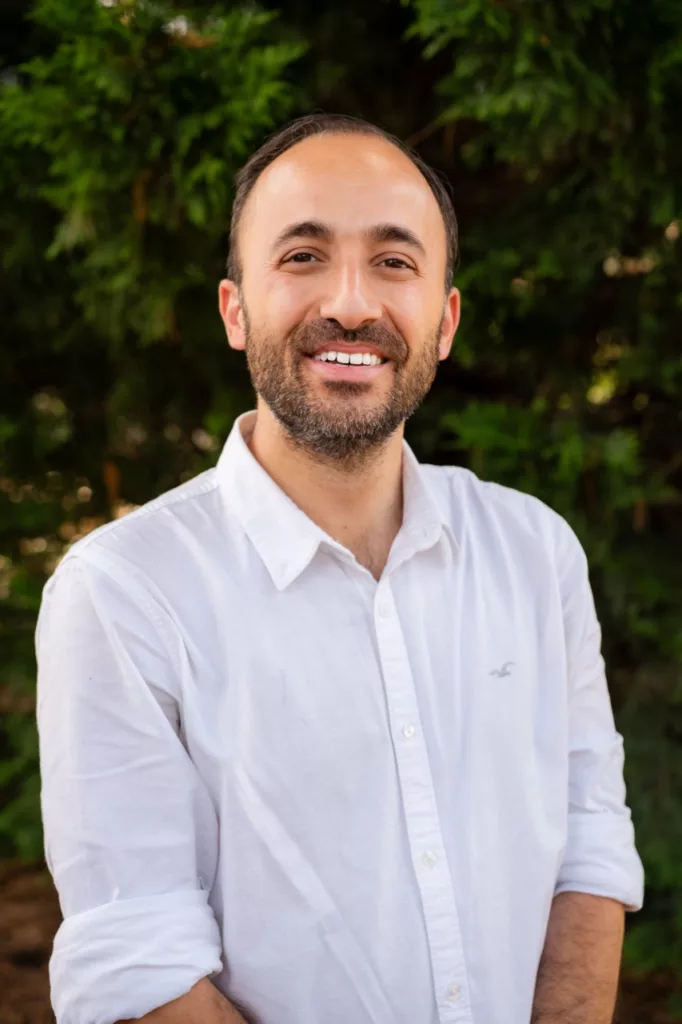
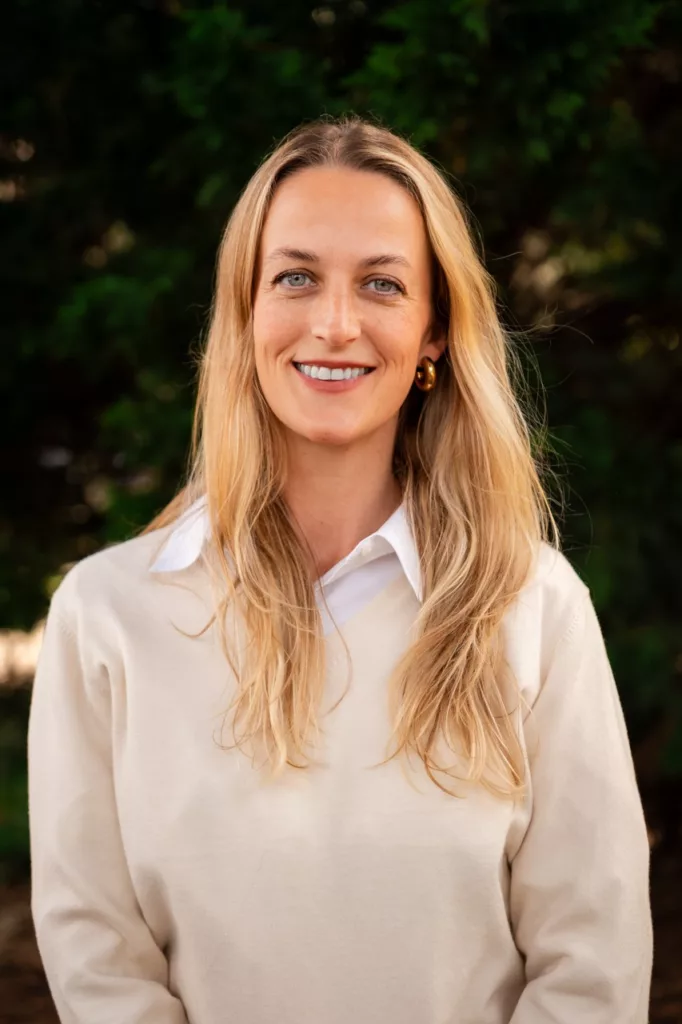
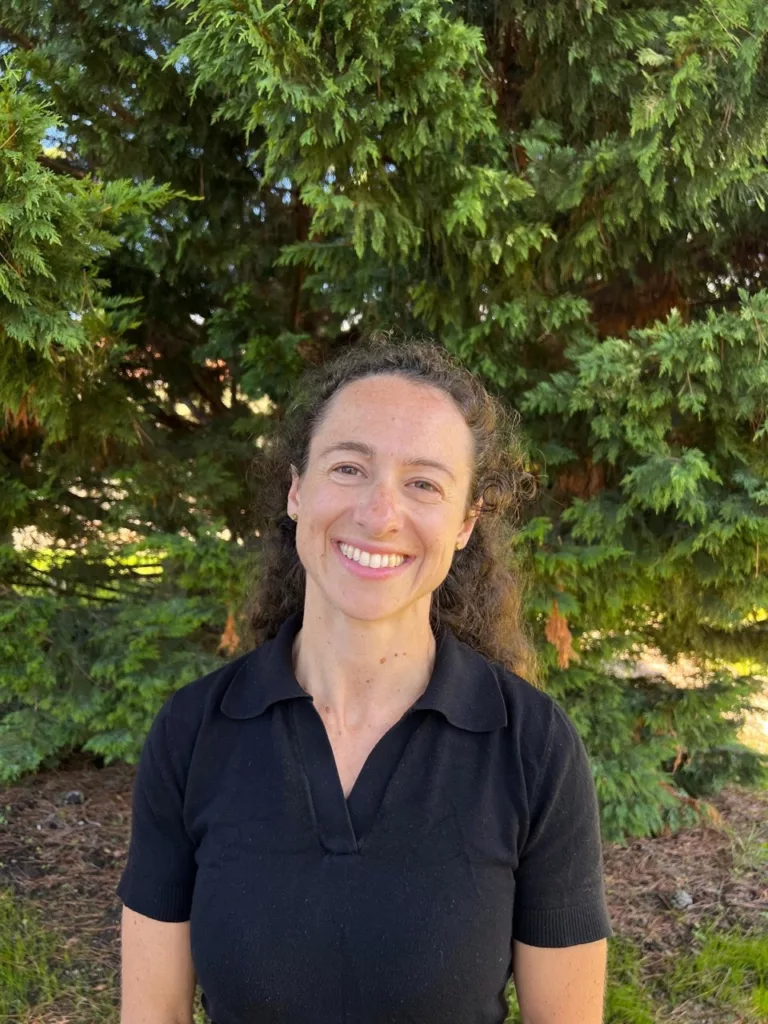
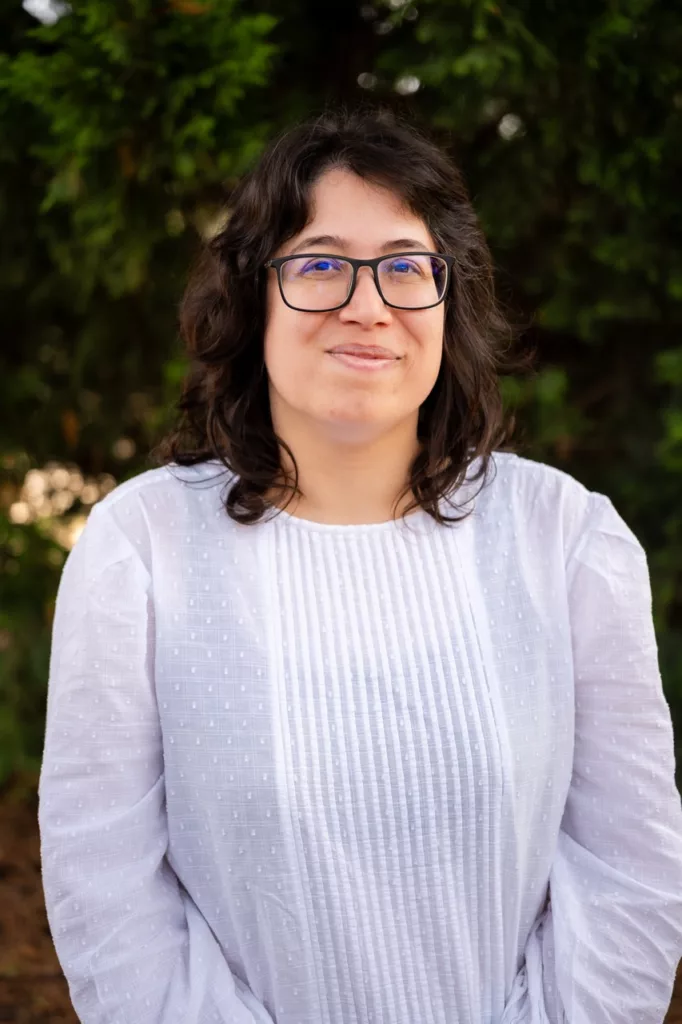
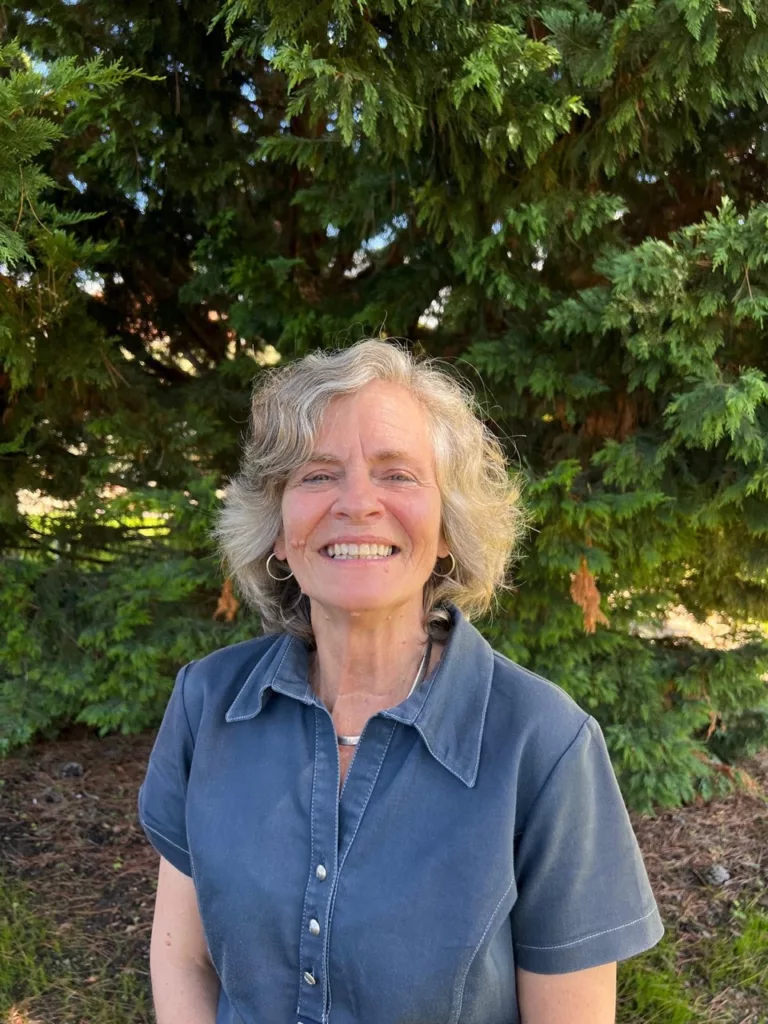
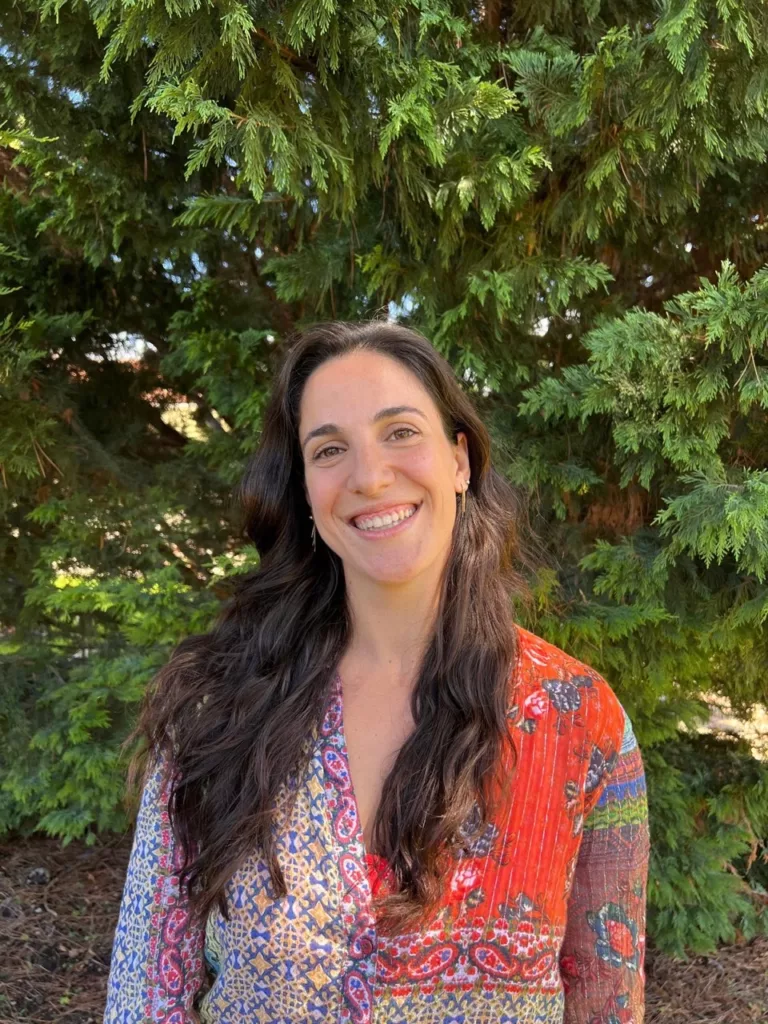
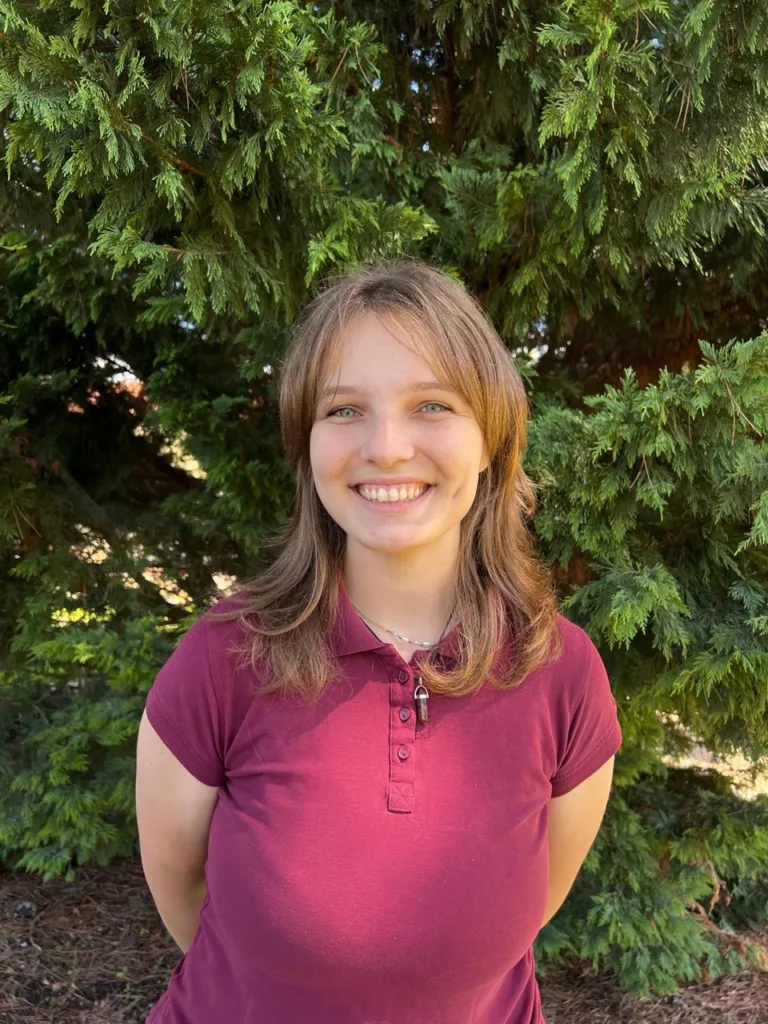
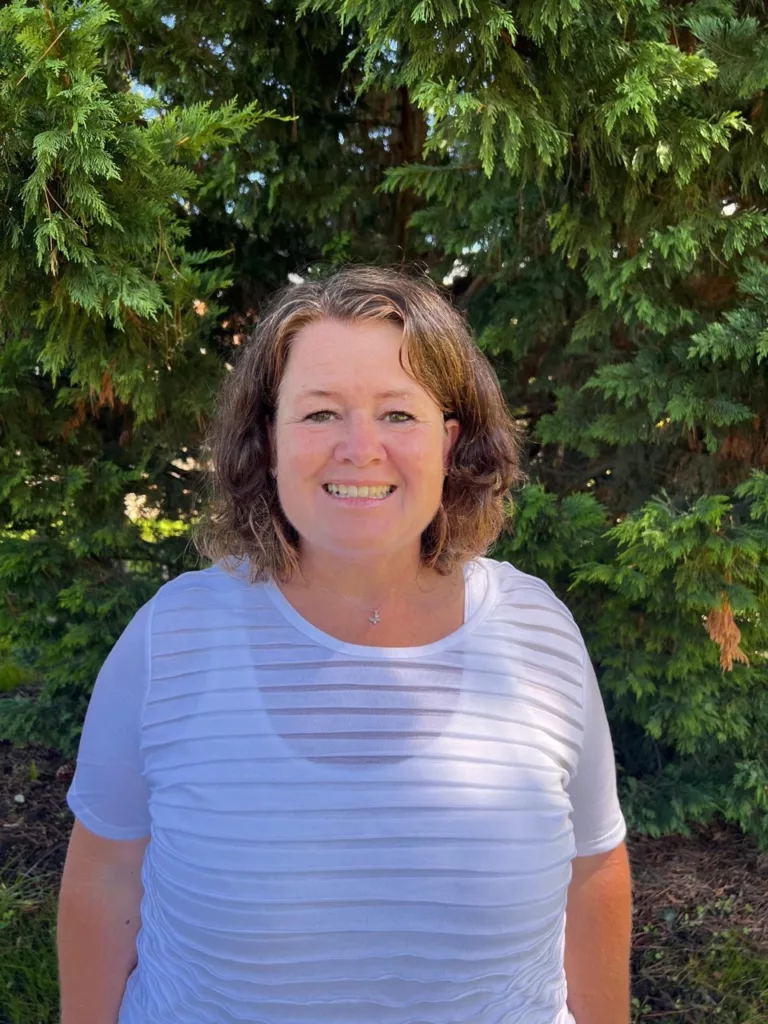
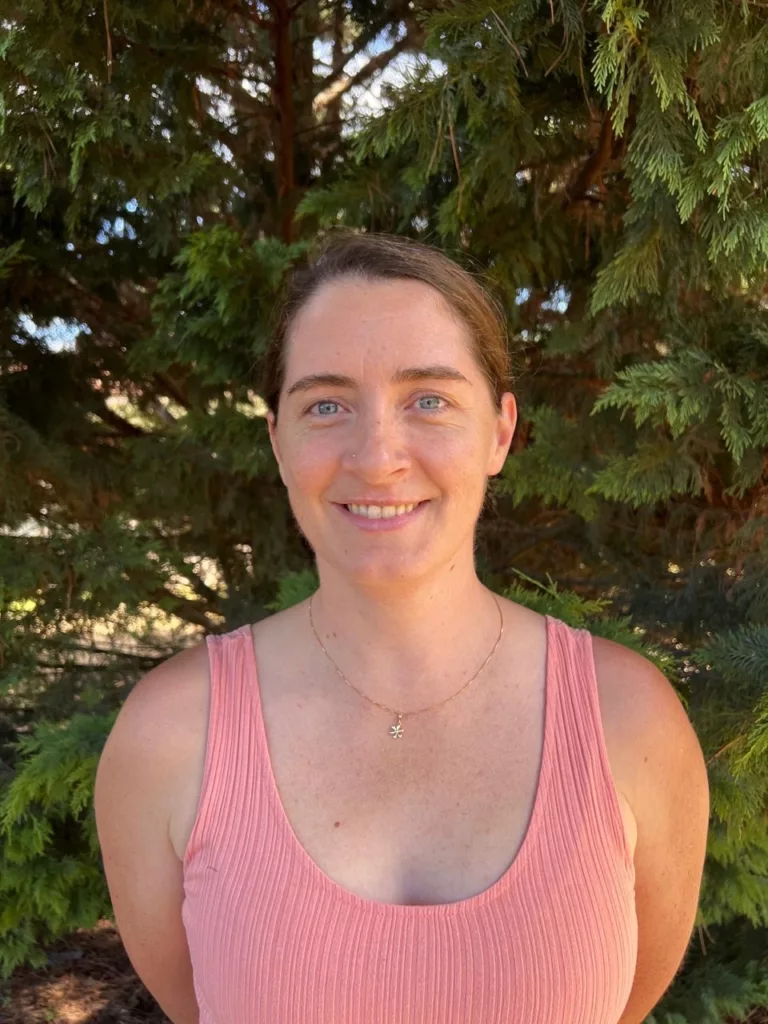
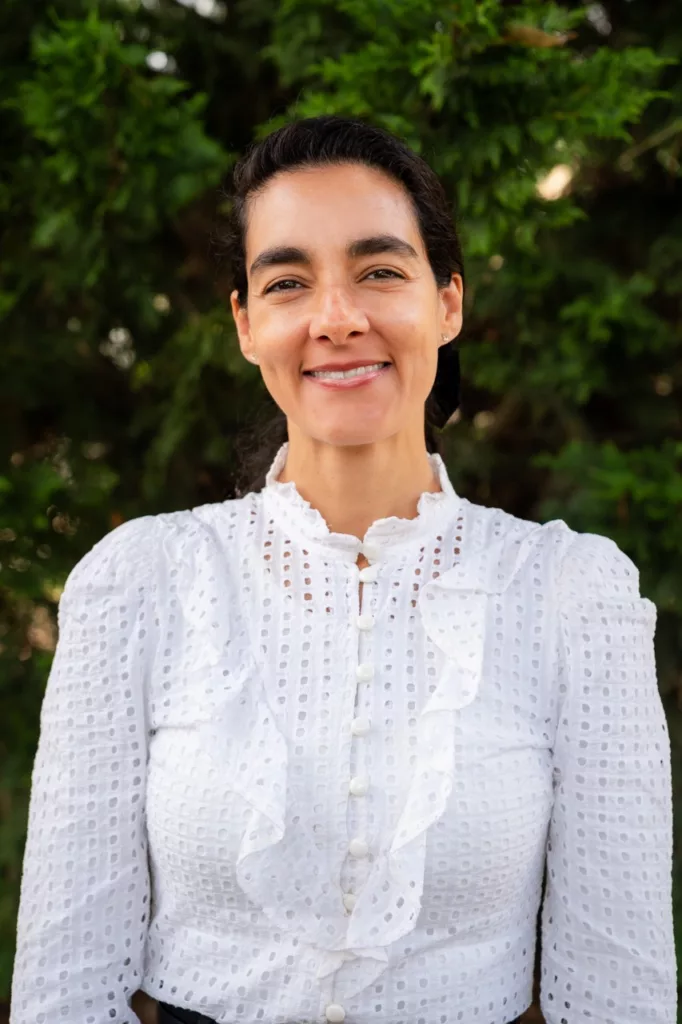
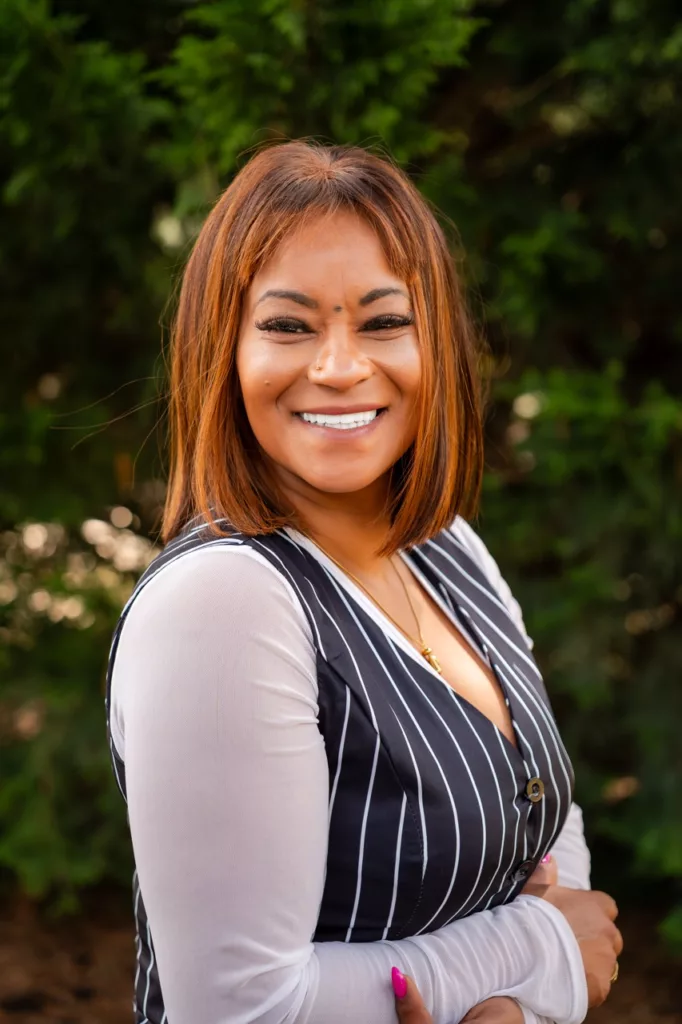
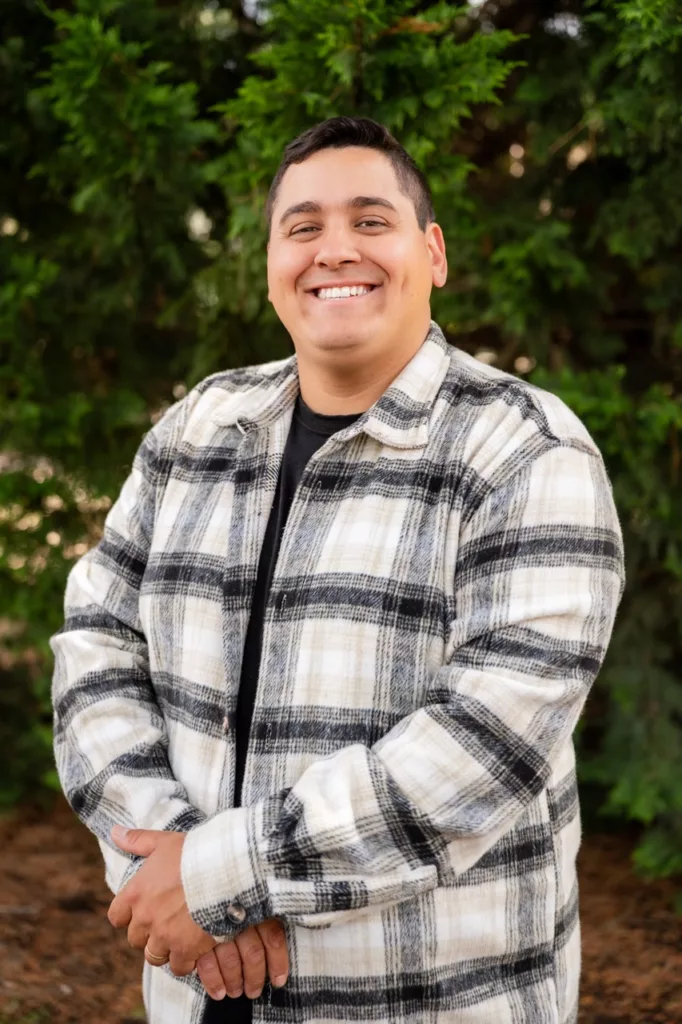
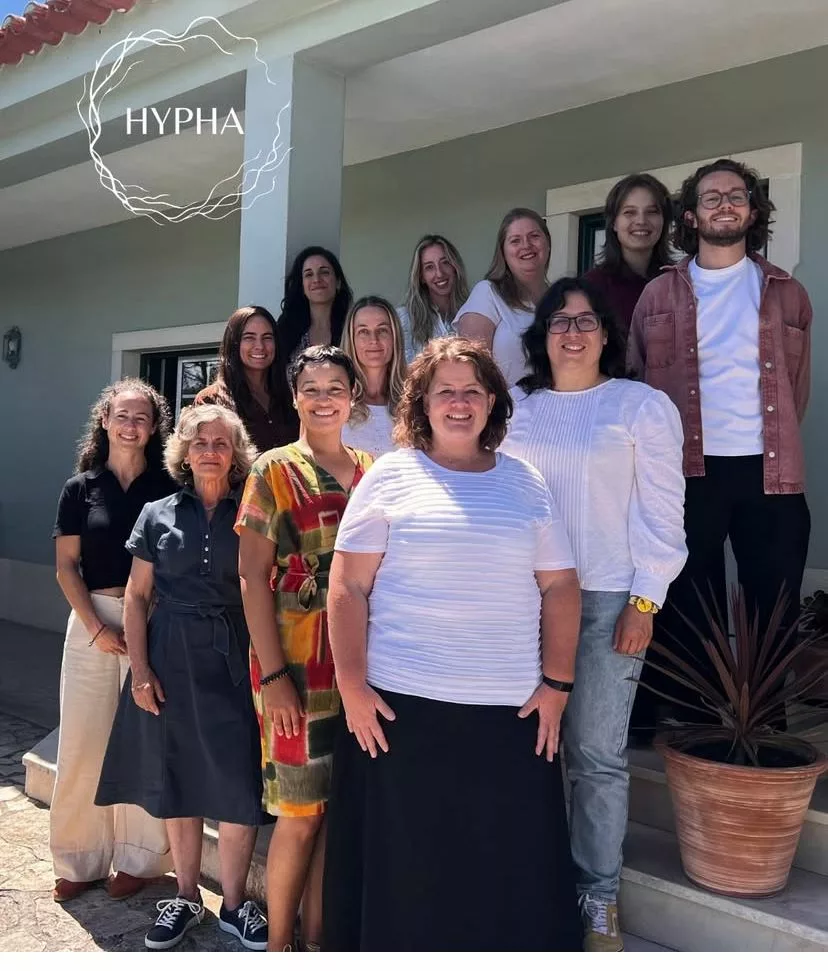
Children learn best when they feel known, supported and appropriately challenged. Our international team brings together classroom educators, Portuguese teachers and subject specialists with experience across different school systems.
Fall in love with learning.
Visit the school, meet our educators and experience how academics, nature, movement and community come together in everyday school life.