Is it better to be honest or kind when you cannot be both?
Consider what happens when you hear that question. Before you have the reasons, you have a feeling. If you tend toward moral directness, you probably leaned toward honest; if you dislike conflict, you probably leaned toward kind. The feeling arrived first and the reasons came after, quietly arranging themselves in agreement with the feeling.
Behavioral economist Daniel Kahneman explores this in Thinking, Fast and Slow. We feel before we reason. The fast, feeling mind reaches a verdict. Then the slow, logical mind writes the closing argument. We believe we are thinking, when we’re just storytelling.
Socrates understood this long before Kahneman measured it. He never told his students what to think. He asked questions and pushed back on their answers until they had to examine the feeling itself rather than just defend it.
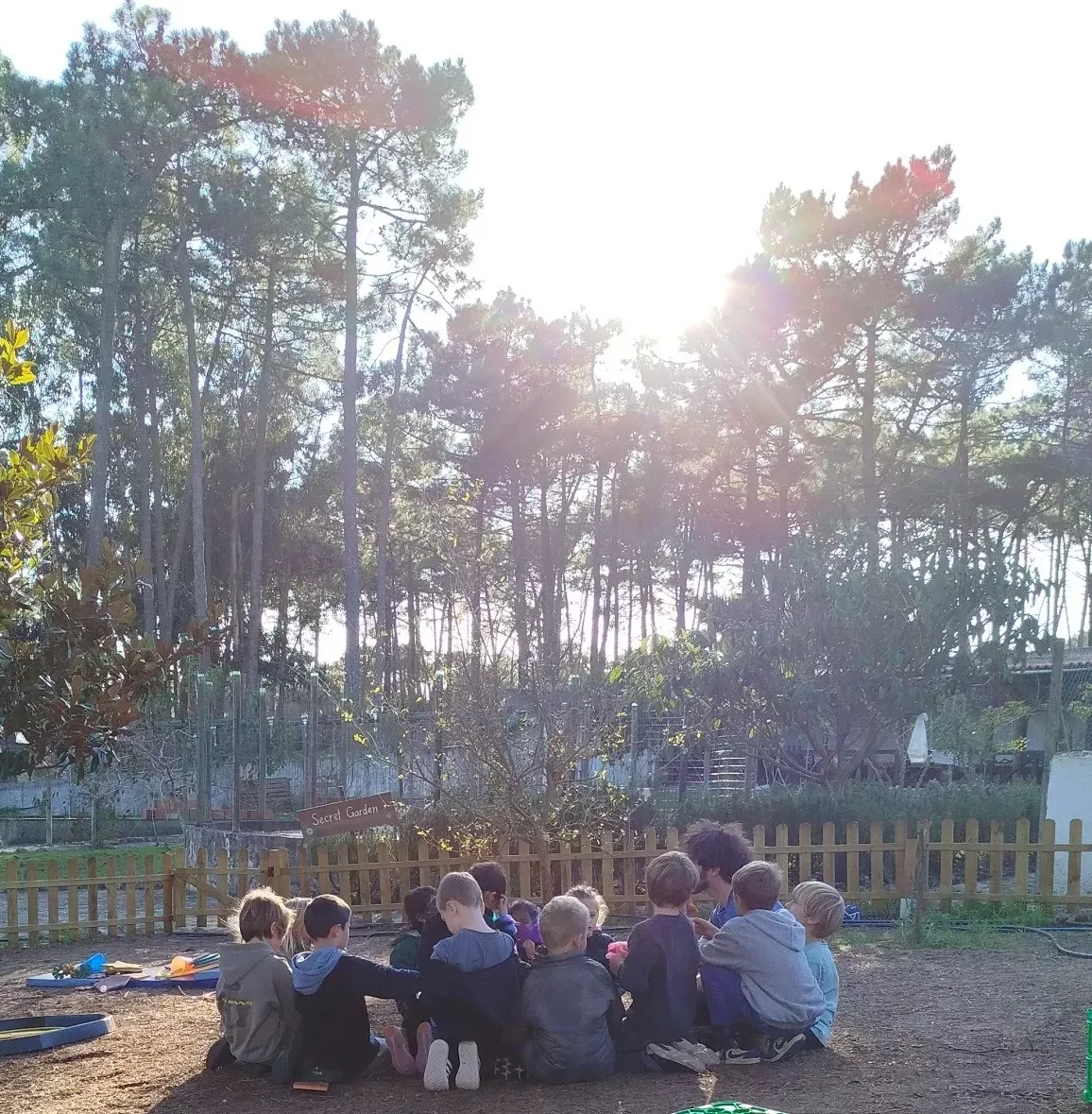
That legacy lives on today in the form of Socratic seminars. A question is placed in the room; the teacher steps back. Children sit in a circle and work it out among themselves with no scaffolding, no follow-up questions, no approval to wait for. Forty minutes of children reasoning together while the teacher stays silent.
So. Honest or kind?
learning the tools
Before children can argue well, they need something to argue with.
Starting next school year, Hypha will spend the first term teaching children the tools of logical reasoning. They will learn to recognize common logical fallacies, such as circular reasoning, slippery slopes, and conclusions drawn from too little evidence. They will learn to evaluate sources and separate fact from opinion.
These patterns are everywhere once you know how to see them. In the news, in ads, in everyday conversation. As we give children the tools to recognize them, we change their relationship to the world outside.
what this actually develops
The Socratic seminar is practice in speaking. Crafting an argument and learning the vocabulary of reasoning (because, therefore, on the other hand) becomes natural with practice. Children who do this regularly speak with more precision and more confidence.
Perhaps more importantly, they practice listening. Good listening is much harder than it might seem. Most of us, when someone else is speaking, are already composing our response and turning their words into material for our next point. We are present in the room but absent from what is being said.
The seminar requires something different, because to respond to what someone actually said, you first have to hear it. This is what we are asking children to practice weekly.
They learn that disagreement is not the same as conflict. You can argue with an idea without attacking the person who holds it.
And they learn to sit with a question that has no clean answer. The discomfort of not knowing is part of the work. It is, in fact, where the thinking begins.
As for the original question — honest or kind?
You will have to ask one of our students.